How to attract the birds and the bees
Fancy a bit of twitching in your own back garden? Check out our guide to attracting wildlife into your green spaces

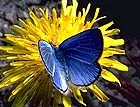
Birds and bees urgently need gardeners to help them survive. It’s never been more important to combat development and the prevalence of garden trends, such as decking, to keep biodiversity thriving.
Here’s what to plant or sow to get bees buzzing, birds singing, beetles creeping and butterflies fluttering and to keep the whole food chain on the move. You can buy suitable seeds and plants from www.habitataid.co.uk Butterflies love: Lilac, butterfly bush, red valerian, primrose, chive, marjoram, lavender, aubretia, cowslip, bugle and toadflax, plus a sunny rock to bask on, shrubs such as common honeysuckle for shelter and a garden shed to creep into to hibernate

Bees’ top 20 plants are: Lavender, comfrey, raspberry, foxglove, pulmonaria, geranium, borage, heather, fuchsia, aquilegia, buddleia, sedum, hebe, marjoram, rosemary, nasturtium, cotoneaster, honeysuckle, clover, sage (from Garden Organic). Grow a mixture, including wildflowers, to provide nectar and pollen from spring until winter, and leave an area of lawn uncut to allow clover to flower


Frogs, toads and newts need: Spearwort, iris, cuckoo flower, bogbean, and water mint around the edge of a pond plus emergent and submerged plants such as forget-me-not, marsh marigold and starwort to provide egg-laying sites. Woodpiles and compost heaps for food and shelter, and for dense vegetation along the side of the pond to provide damp cover. For more information, visit www.froglife.org or www.pondconservation.org.uk

Birds need: Hawthorn, especially for redwings, fieldfares, greenfinches, yellowhammers, starlings and chaffinches; wrens and other small birds plus dormice will nest in a hawthorn hedge, which can be supplemented with dog’s violet and garlic mustard

Brambles (for nesting), berberis, crabapples, pyracanthus (blackbirds) and snowberries (robins), milkthistles (goldfinches), ivy (blackbirds and thrushes) Cover crops such as millet (yellowhammers and reed buntings); quinoa (redpolls and tree sparrows); sunflowers (bigger beaked species such as greenfinch, chaffinch); kale, which encourages invertebrates for thrushes; hawthorn Hanging baskets for nesting (spotted flycatcher)

Hedgehogs love: Compost heaps, for slugs, worms and insects, woodpiles, woodsheds.

Beetles and ladybirds: The gardener’s friend for eating slugs, snails and aphids - like log and rock piles, plus hedgerows, windowboxes and scrub to scuttle under

For more information on plants to attract wildlife, visit www.plantforlife.info or www.butterfly-conservation.org
