Made in Britain: Martin Moore Kitchens
Martin Moore specialise in traditional handmade kitchens.
When Martin Moore and his wife, Barbara, returned to the UK in 1975 after travelling the world, the designer-kitchen market in the UK—an industry in its infancy—was dominated by modern German and Italian styles. They set their hearts on a Victorian house in Chorlton, Manchester, which was in need of renovation. ‘My father trained as a structural engineer and has a passion for design, instead of buying things off the shelf, he set about making furniture for the house,’ explains Richard Moore, design director of the family-run firm. ‘He started off buying timber pews that were being sold off by the Church—our back garden resembled an open-air congregation. He converted them into furniture for the house, then friends asked for similar items and the business began.’
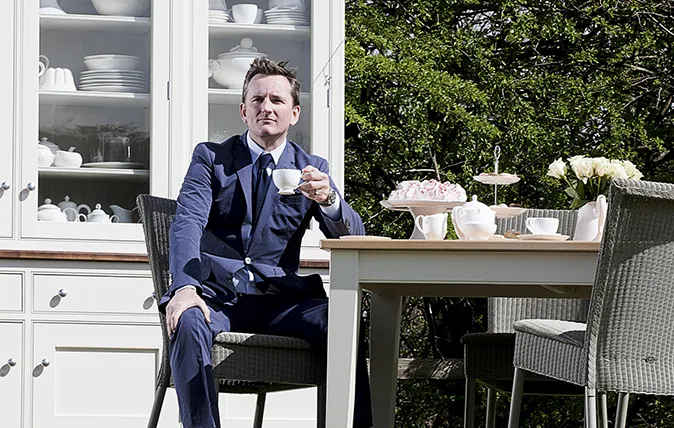
The designs have always been governed by Martin’s respect for Classical proportions and love of period buildings. Common themes include freestanding dressers, such as the one shown, which was carried into the garden of the company’s West Yorkshire workshop for our photo shoot. ‘Others may have copied us, but we believe we’re the originators of traditional, handmade kitchens. We make the best; our kitchens come with a lifetime guarantee,’ states Richard.
Although there are two contemporary collections, the Martin Moore style is to err on the side of caution with fashion statements. ‘Kitchens have become more flamboyant, but that’s not what we’re about,’ says Richard. ‘“Less is more” is definitely our mantra.’
To date, the company has been commissioned to make kitchens in houses from Copenhagen to Barbados. ‘Because we make everything bespoke in our workshops, we’ve got the skills and flexibility to do pretty much anything our clients want.'
For more information telephone 0845 180 0015 or visit www.martinmoore.com
Exquisite houses, the beauty of Nature, and how to get the most from your life, straight to your inbox.
-
A magnificent old vicarage with five bedrooms, 5,000sq ft of space, and in the catchment area for the 'best state school in North Yorkshire'The wonderful village of Burton Leonard is one of the most sought-after places to live in Yorkshire, and one of its finest homes is now for sale. Penny Churchill looks inside.
-
Is December the best month for bird watching? Exploring the underrated avian delights of a British winterAs starlings, woodcock and all manner of birds on the wing make their way south, Britain becomes something of a bird-watching heaven.
-
How one family went about creating a welcoming kitchen in one of England's neo-Palladian houses‘We were nervous about creating a kitchen in such a grand room.'
-
Farmhouse kitchens done right at these five beautiful country houses across BritainA country house with a farmhouse kitchen is the archetype of the bucolic dream in Britain. Arabella Youens picks out five on the market right now that have wonderful examples.
-
The designer's room: This kitchen in a Queen Anne-style home is proof that pretty and practical can go hand in handHiding the conveniences of modern-day living lends a timeless feel to the kitchen of this 18th-century house.
-
Curious Questions: Where did the viral Instagram Shaker kitchen come from — and how is it linked to Quakerism?The traditional and incredibly versatile Shaker kitchen is looked up to the world over, but where did it actually come from?
-
How to create a serene, yet hard-working kitchenPlain English worked with antique dealer Robert Young to make this traditional kitchen with an effortlessly relaxing colour scheme that marries perfectly with the views over beautiful gardens.
-
Why kitchens are going green — literallyGreen is the perfect colour for a kitchen, says Amelia Thorpe.
-
A modern kitchen perfectly framed by the exquisite ancient beamsArtichoke designed a discreet and timeless kitchen to complement a converted granary. Amelia Thorpe takes a look.
-
Yes, you can put a new kitchen in a Grade I-listed house — and this beautiful example shows howTraditional cabinetry was a key ingredient in the sympathetic restoration of a Grade I-listed Tudor house in Shropshire.