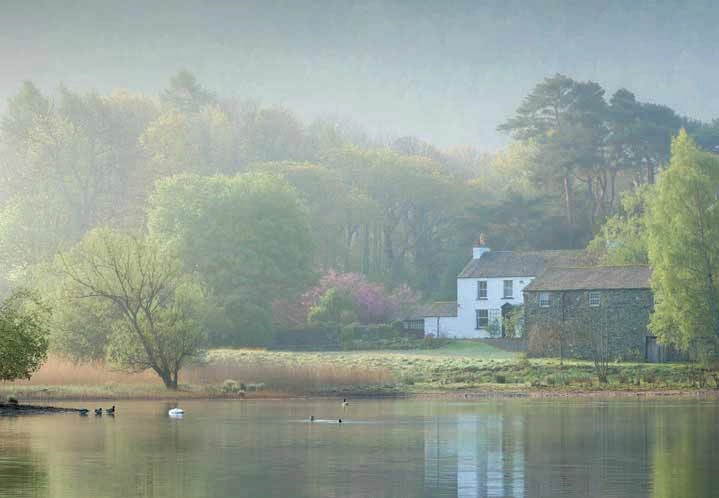

The common denominator among the world’s most beautiful spaces is that they are positioned and designed to maximise the opportunities created by natural light. More recently, electric light has created new ways to complement natural light and achieve layered schemes that ensure houses look and function at their best at every time of day and in every season.
Yet, despite its transformative impact, light is an element that often doesn’t receive the attention it requires.
What is the importance of natural light in an interior?
Lighting is a complex consideration in a house. Layers of light and shadow trigger immediate human emotional responses and creating them can be the most vital and least expensive element in a design, be it a refurbishment or new build. With the right lighting, almost any room can be made to function more effectively and look better. It should never be an afterthought.
Across the world, the quality of natural light is different. In the UK, we’re blessed with a great variety, from misty dawns and gloomy grey to penetrating winter brightness and relatively overhead summer sun. The intensity of light and the depth of shadow are equally important.
Although artificial lighting can imitate Nature, natural lighting can be designed to enter the house in traditional, modern or innovative ways. There are many design parameters to consider in house design and natural lighting—not least the way it penetrates the house— will always influence the size of rooms and the size and position of the windows. At Janine Stone, we revel in the challenge of maximising potential, of creating or transforming a project into something truly exceptional.

What factors influence the way light falls and how it changes during the day? How does an architect anticipate the way that light will fall in a new house?
The way that light enters a building can be anticipated for every hour of the year. We all know that the British summer sun rises in the north-east and sets in the north-west, rising high at midday, and the winter sun rises in the south-east and sets in the south-west, not rising very high at all.
The sun’s pathway can be carefully incorporated in the design as it enters each room. We always look to the wealth of buildings throughout history that use light in innovative and creative ways—in particular places of worship, where light is a symbol of joy and life, and libraries that use light to allow reading and study, but also keep it out to preserve books. The bold techniques used in public architecture filter down to domestic buildings.

Should a design be influenced by light?
Absolutely, we’ve designed houses that bring light deep into the interior on axes throughout their plan to highlight their beginning and end, connecting spaces along the way. Architects have always been fascinated by applying axial and Geometric solutions to buildings both in two and three dimensions. The extraordinary complexity of Francesco Borromini’s Baroque geometry is plainly beautiful to witness. Such was its strength that he was commissioned to design San Carlo alle Quattro Fontane, a church in Rome.
Another wonderful example is Tadao Ando’s silencing minimal simplicity in the Church of Light on the outskirts of Osaka, which dates from the end of the 20th-century. At Janine Stone, we love to use natural light to evoke similarly strong emotional responses in spaces designed on a domestic scale.
How should artificial and electric light complement one another?
Great question. We use electric light in layers to boost and complement natural lighting during the day and take over at night.
Utilising as much natural light, for as long as it’s available, can be a great parameter for a design. General illumination, task lighting, accent lighting to pick up interior of architectural features, signature pieces such as chandeliers, table lights and concealed lighting all combine to form layers that pick up when the natural light departs.
To create the right ambiance for each room and optimise the way it’s controlled, we sometimes work with specialists who can fine tune the design and integrate it within the house-control systems.

How do light and space interplay?
The interplay of space and light really is fundamental to architecture; it can be defined as the formation of spaces and the way we perceive them in light.
How can an architect manipulate a space to enhance the experience of a house? What role does height play?
The manipulation of space is what architects spend their time on. When you walk into an average house or in one that is exceptional, the difference doesn’t need explaining. Creating an inspiring feeling and connection to the space can be done through height, light and the way elements are combined. Height always brings a sense of grandeur to a house, staircases can be striking expressions and bring light down through the floors, but when the floors are also connected by other features, like a toplit atrium or overlooking balconies, then the quality of space becomes even more luxurious, and the budget increases.
Janine Stone & Co specialises in building and renovating great houses, incorporating architecture, interior design and construction management, and has been providing Country Life with insights and expertise through this ‘Masterclass’ series for the past few months. To speak with Janine Stone & Co, please telephone 020– 7349 8888 or visit www.janinestone.com

-
 Agatha Christie bought and sold homes like she was playing real-life Monopoly — and one of her favourites has come up for sale
In an Art Deco block in the heart of Chelsea, Agatha Christie kept a pied-à-terre for three decades where she wrote several of her most famous works. Today, it's up for sale.
-
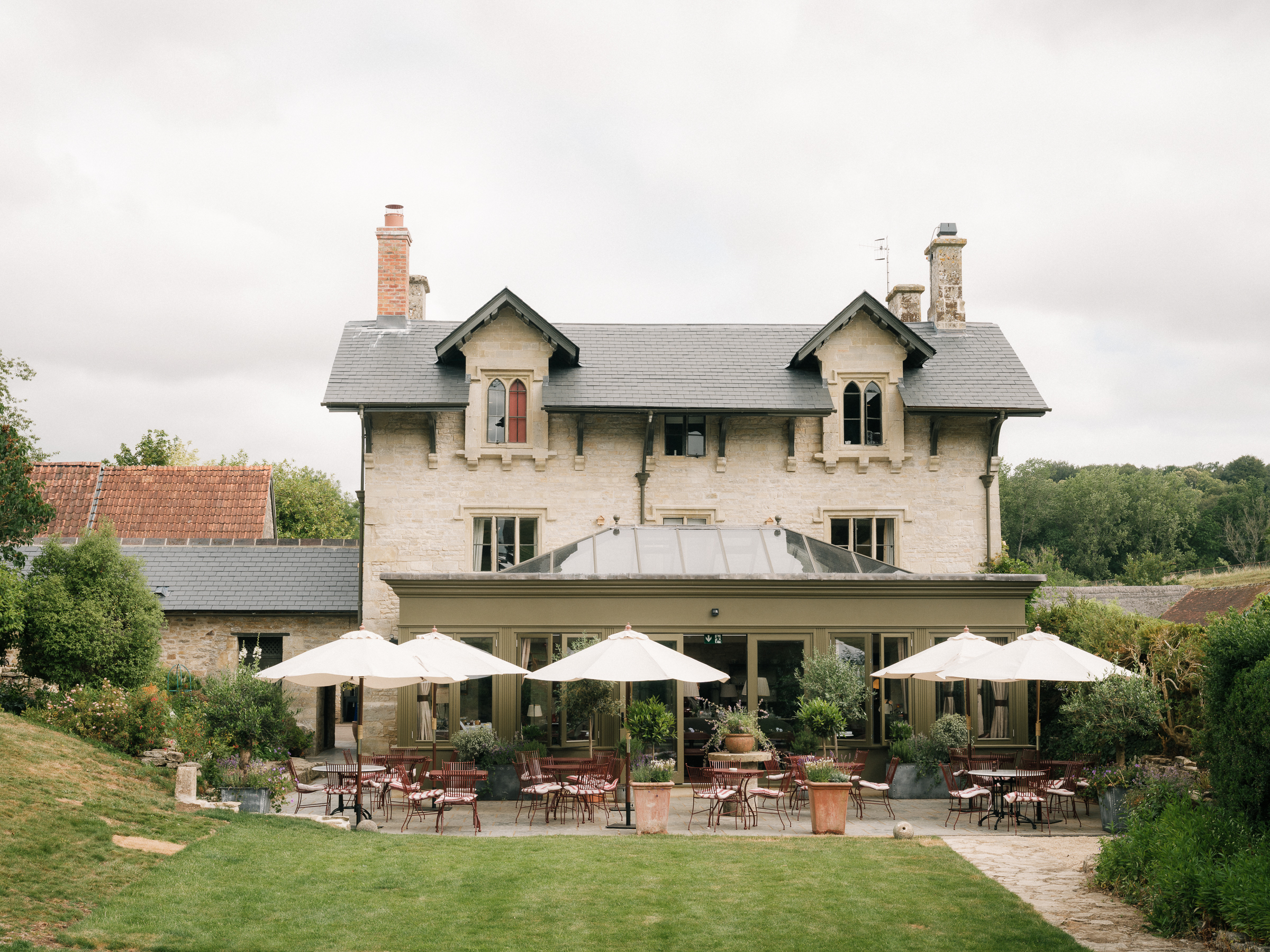 The search for the perfect carrot led me to one of Wiltshire’s loveliest new hotels
Pamela Goodman checks in to Teffont House Hotel.


-
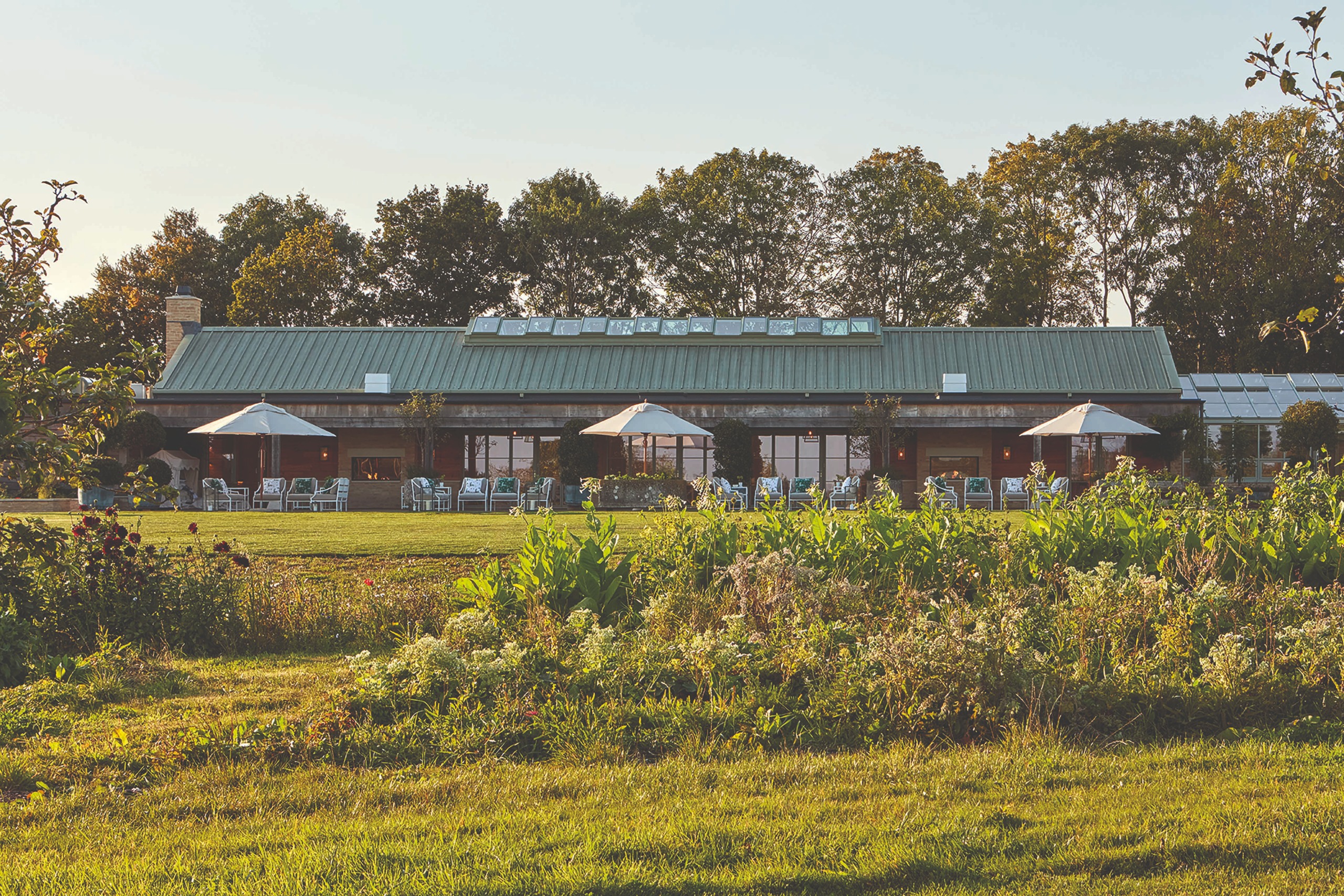 Reader event: Reinventing the country house at Daylesford
Next month, leading experts in architecture, interior design, stonework and cabinetry will share the secret of creating a country house suited to life in the 21st century at Daylesford’s Heritage Barn.
-
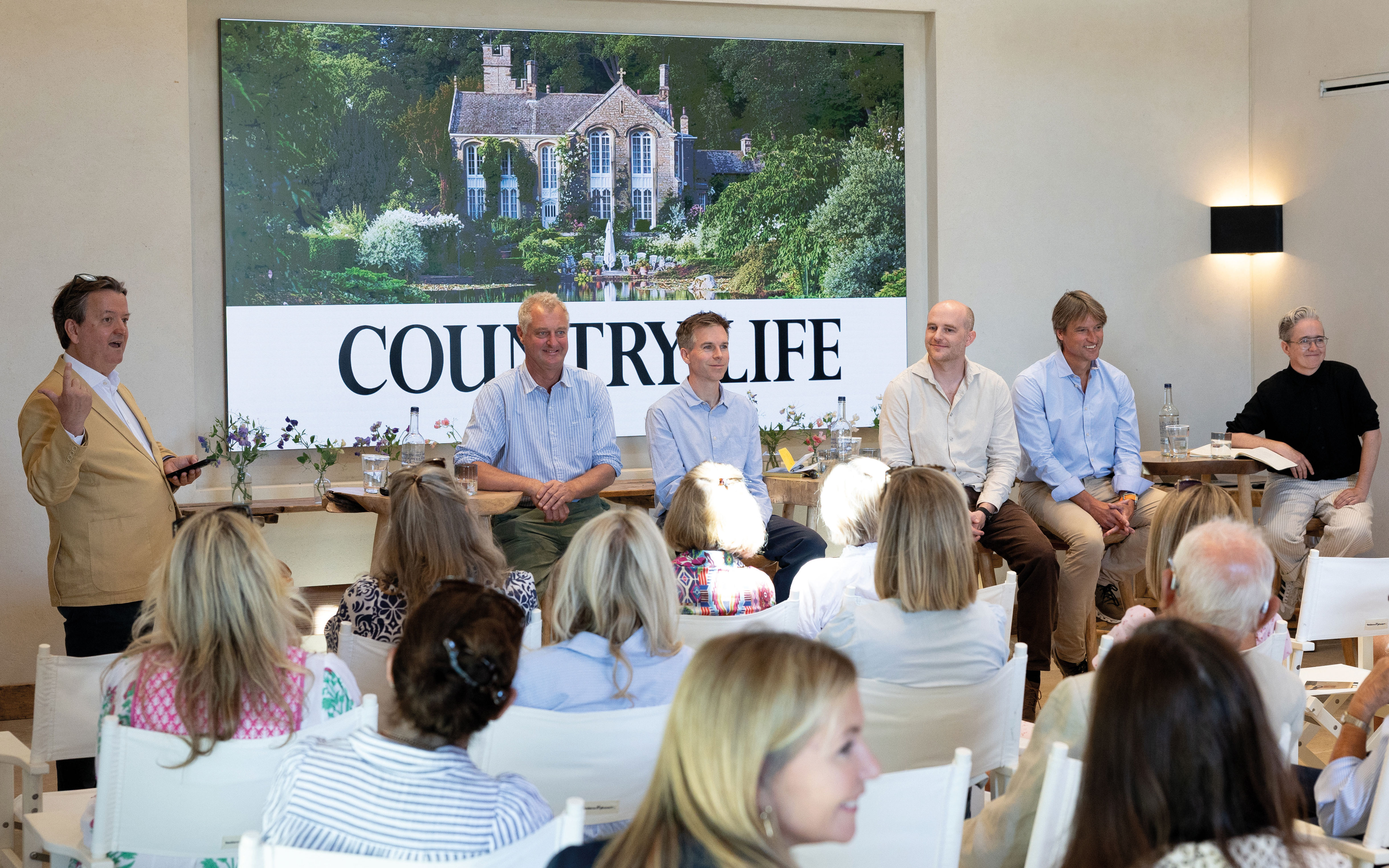 The art of the country garden at Daylesford
On July 2 this year, five experts shared their thoughts on the secret of creating the perfect rural sanctuary.
-
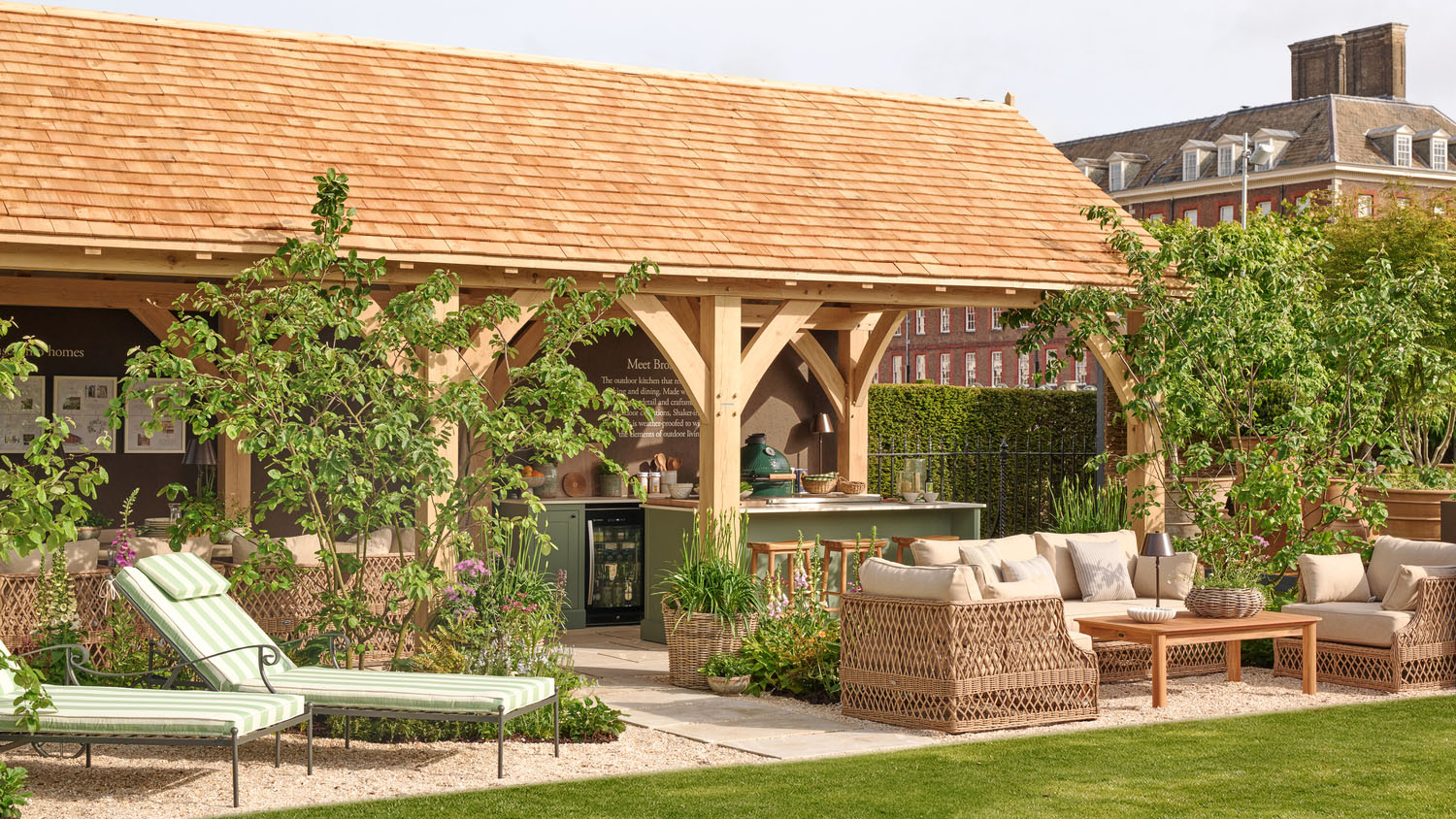 Rooms with a view: The new Oakwrights garden pavilion collection
A new collection of garden pavilions from Oakwrights offers hand-crafted structures designed for those who want to spend more time in their own great outdoors.
-
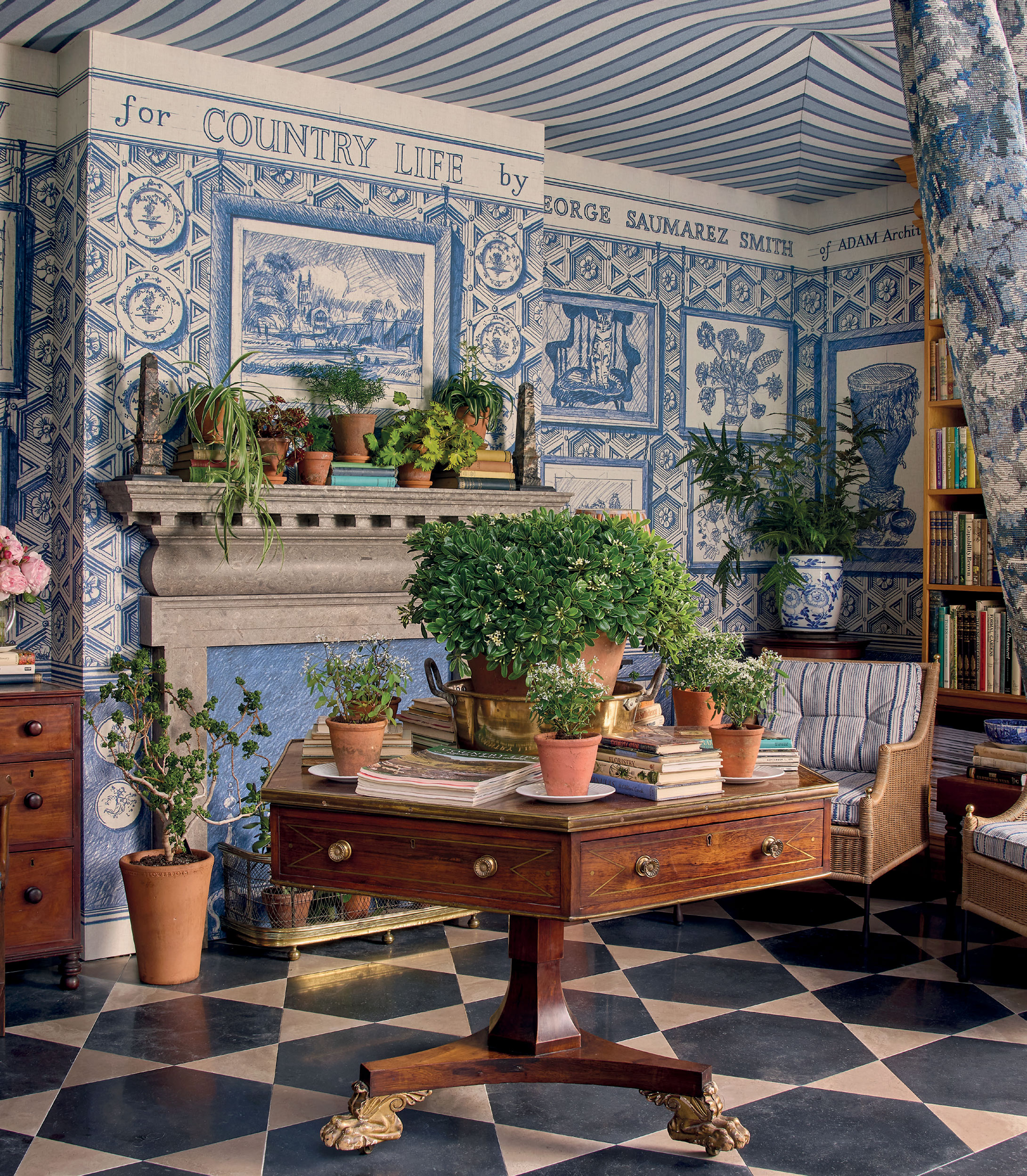 Homegrown heroes: The British stone from Artorius Faber which transformed Country Life's RHS Chelsea Flower Show stand
George Saumarez Smith’s design for the floor of Country Life's stand at the RHS Chelsea Flower Show has been brought to life by Artorius Faber.
-
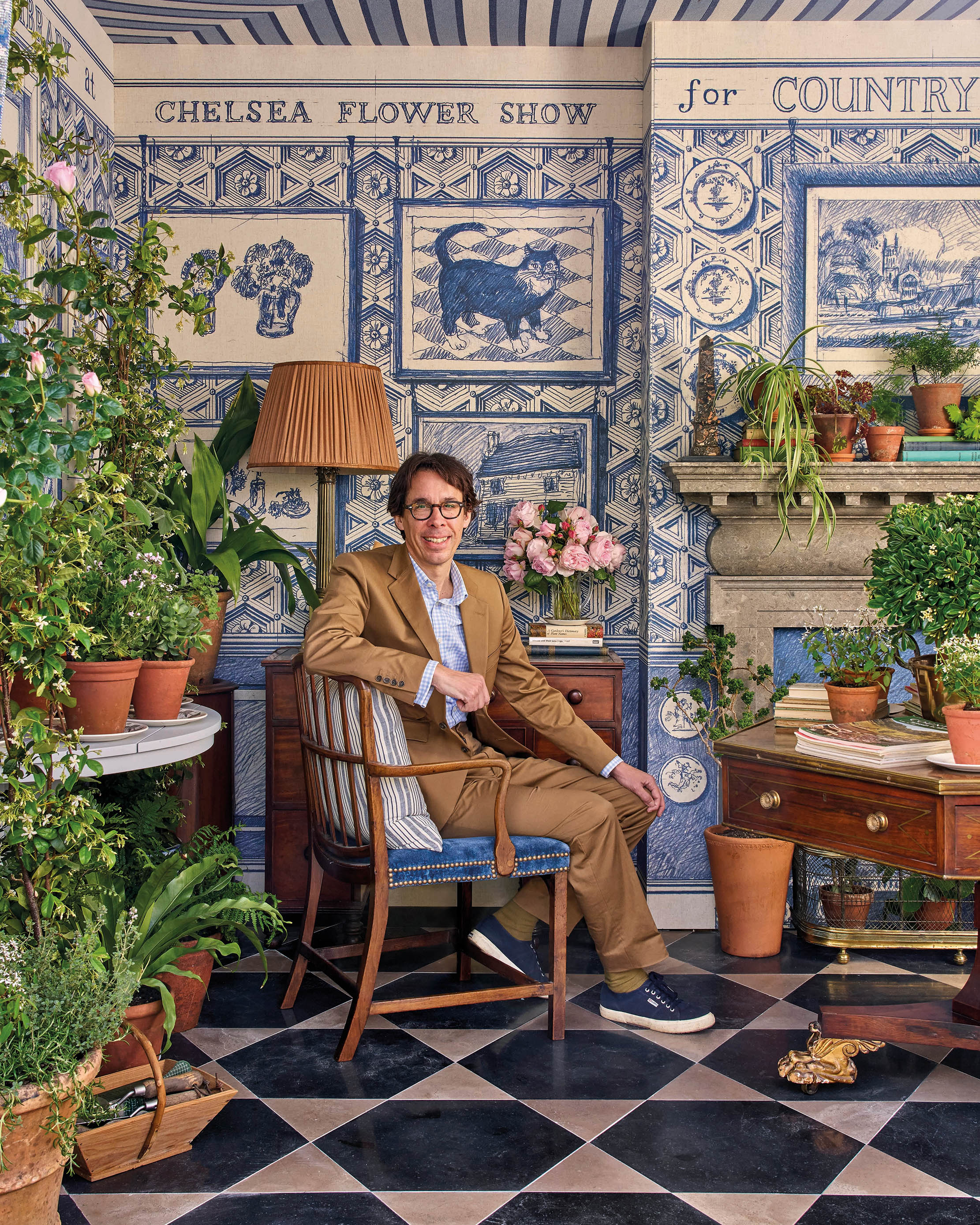 Star of the show: How George Saumarez Smith's design for Country Life wowed visitors at the Chelsea Flower Show
The Garden Lover’s Library, created by George Saumarez Smith for Country Life, dazzled visitors at this year’s RHS Chelsea Flower Show.
-
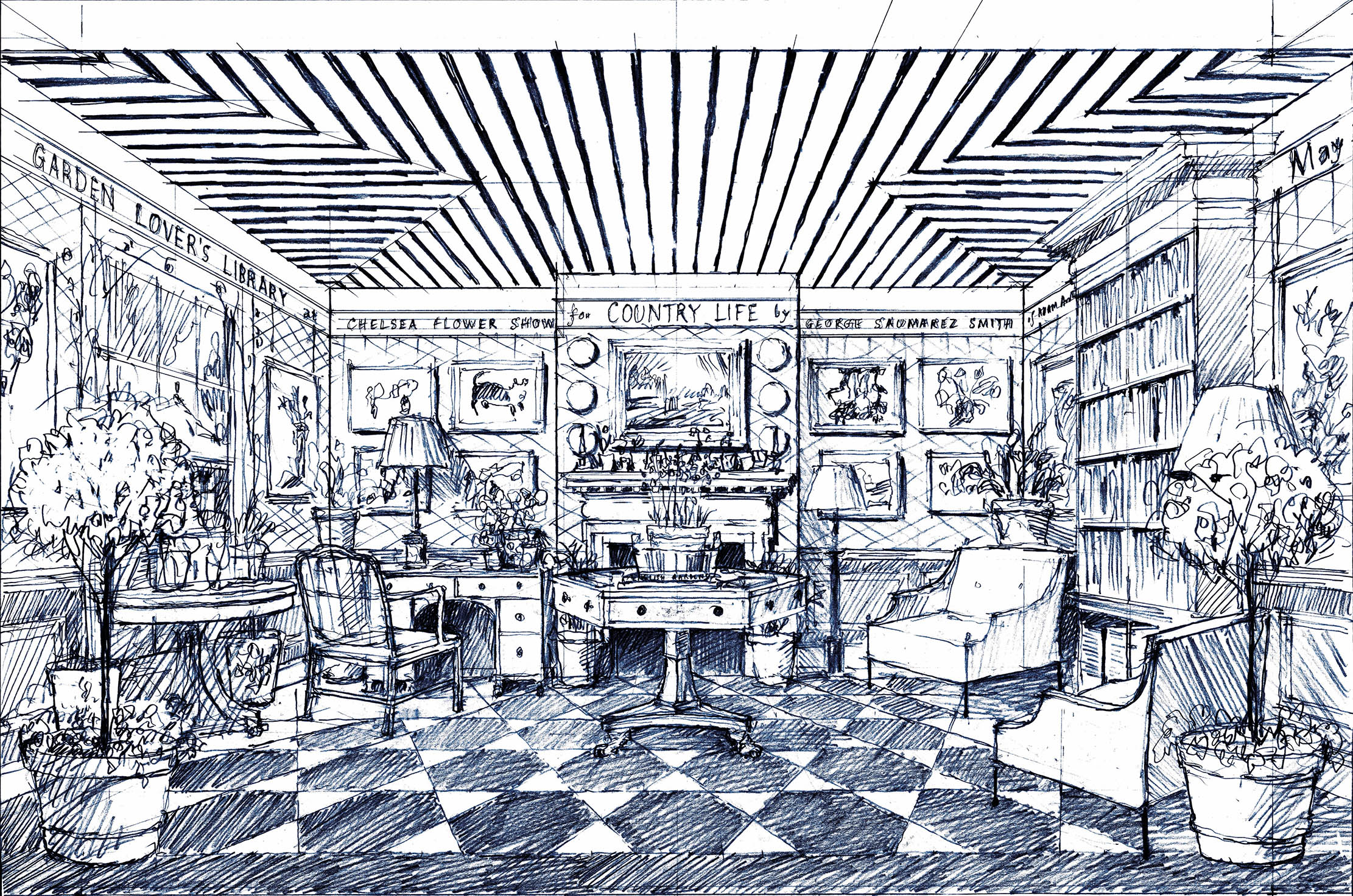 Inspired by the past: How Munder Skiles blended old and new for Country Life's stand at the Chelsea Flower Show
On Country Life's stand at the RHS Chelsea Flower Show, two striking designs by Munder Skiles demonstrated the exciting possibilities of combining inspiration from the past, artisanal skills, high-quality materials and cutting-edge engineering to create furniture suited to inside and out.
-
 Reader event: The art of the country house garden at Daylesford
What are the ingredients of the perfect country garden in the 21st century? At this Country Life event, five leading experts will share their wisdom on achieving pleasing good looks, creating comfortable spaces for relaxation, manageable maintenance and how to make a garden your own.
-
 Art underfoot: How Artorius Faber brought to life the stone floor of Country Life's stand at the RHS Chelsea Flower Show
George Saumarez Smith’s design for the floor of Country Life's stand at the RHS Chelsea Flower Show has been brought to life by Artorius Faber.


