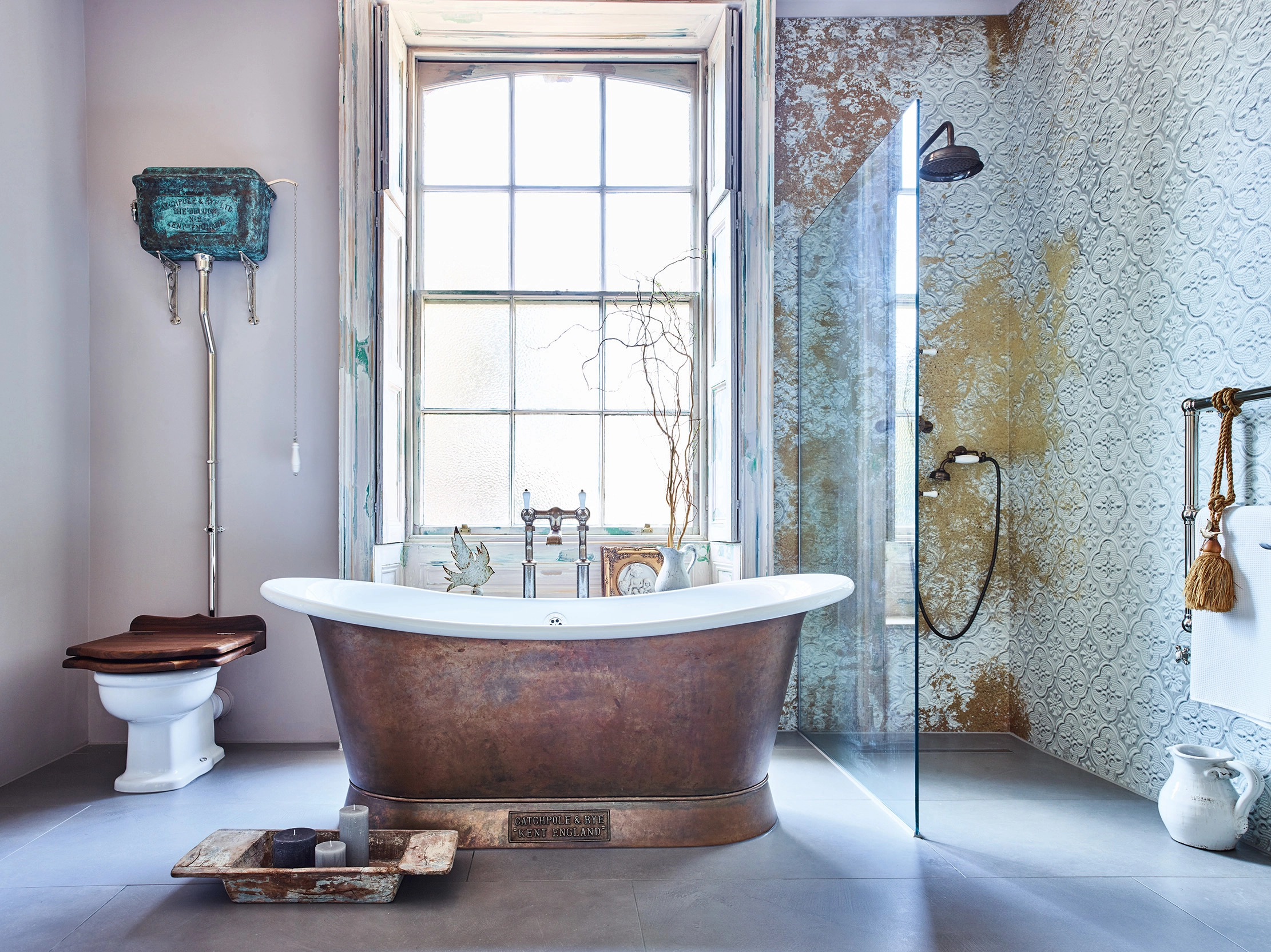

When Tony O’Donnell and his wife bought a house on the Kentish coast 30 years ago, Mr O’Donnell was surprised by how difficult it was to find someone to restore its Victorian baths. His decision to do the work himself was the beginning of an exciting journey that led to him founding Catchpole & Rye, a business that now enjoys a global reputation. Over the years, Mr O’Donnell has gained an encyclopaedic knowledge of traditional sanitaryware, which informs designs that combine classic good looks and peerless quality.
Based in a former dairy in Kent, with showrooms in Chelsea and Tunbridge Wells, Catchpole & Rye manufactures baths, washstands, showers, lavatories and cisterns that have redefined the luxury end of the bathroom market. The company’s designs have been used in restoration projects all over Britain and are exported as far away as the US and Australia.
What have you learnt from the past?
As well as restoring old baths, I have amassed a large collection of antiques that informs our own designs — some of the pieces are on display at our premises in Kent. For me, the experience has taught me that it’s important to be inspired by the past, rather than to copy it slavishly. That way, you can improve designs that are relevant to the modern day.
The 19th century was a crucible of engineering innovation and much of the expertise of that period has sadly been lost. It’s only by gaining a deep understanding of Victorian plumbing that you can really create high-quality, beautifully engineered bathrooms. Compared with 21st-century technology, it might seem simple, but, in reality, achieving perfection is anything but!

Who do you regard as the heroes of Victorian plumbing?
One was George Jennings, the engineer whose flush lavatories at the Great Exhibition in 1851 kick-started the Victorian plumbing revolution (and precipitated the phrase 'spend a penny’).
The other is John Bolding, who founded the legendary John Bolding & Sons Grosvenor Works on Davies Street in Mayfair in 1891, where it remained until the 1960s (it is now Grays Antique Market and the building still bears the company’s name). Not only was he a brilliant designer and engineer, but also a natural entrepreneur. His building included workshops and a showroom, as well as a dispatch department.
I get huge inspiration from Bolding’s extensive sales catalogues, which are bound in cloth and beautifully embossed.
What are the benefits of working in Britain?
Making components ourselves allows us to benefit from the huge knowledge that we have accumulated over the past three decades. It has also enabled us to create an enormously deep skills base; some of our team members have been honing their craft for several decades and they are able to pass their experience and knowledge onto the next generation.
Those things we don’t make ourselves are produced locally, where possible, and we have developed highly collaborative relationships with manufacturers in the past two decades. That said, our aim is to bring as much of our production as possible under our own roof. The other great benefit of that it provides bespoke capability.
What are the possibilities of offering a bespoke service?
They are almost infinite. We can create highly distinctive designs in colours and finishes that are specified by the customer. There’s also a growing demand for personalised castings on baths and cisterns that bear the name of the house. It’s a unique option that creates a real sense of place.

What is your approach to sustainability?
It influences everything we do. Manufacturing our products here in Britain doesn’t only benefit Catchpole & Rye and the local community, but also reduces our carbon footprint. In addition, it allows us to recycle precious materials, particularly brass.
Other projects, such as the restoration of redundant machines, all contribute to the cause. The fact that you’ll only need to buy one of our baths is also a huge benefit to the environment!

Credit: Joanna Wood
Beautiful bathrooms: How to design your lighting, draw the eye and make the most of your space
Bathrooms are typically the smallest room in the house - interior designer Joanna Wood shares her top tips and tricks

11 steps to creating a perfect bathroom for your house
When the interior designer Joanna Wood moved to an 18th-century manor house in the Cotswolds, she had an opportunity to

-
 Someone has built a charming rooftop cottage in downtown New York City and you can buy it
The Big Apple is full of innovation, charm and unusual thinking. This penthouse in Greenwich Village is all of those and more.
-
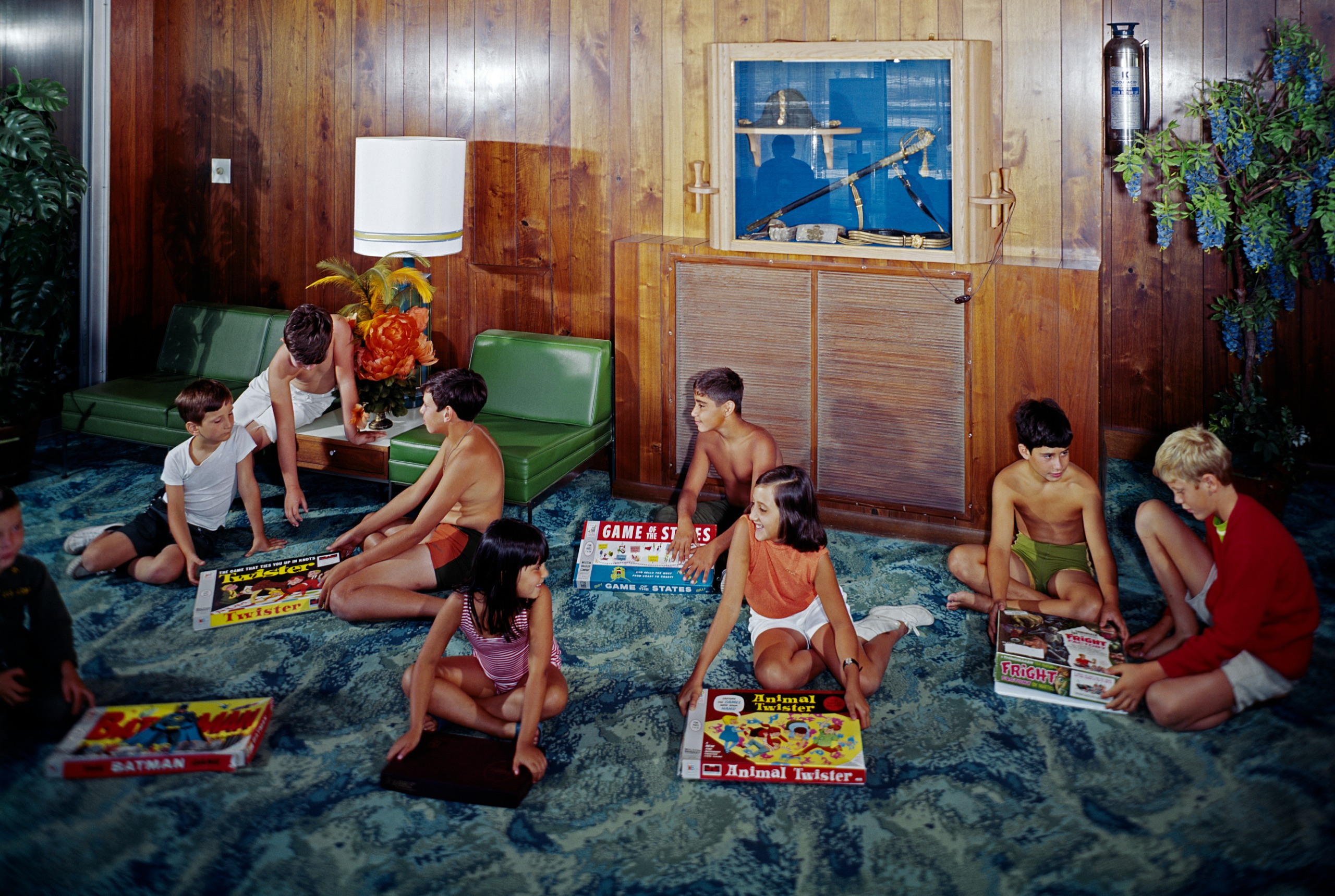 Board of quizzes? Why not try a few games in the Country Life Quiz of the Day, October 13, 2026
Know your checkers from your chess? Guess the board game from the picture clue in today's quiz.


-
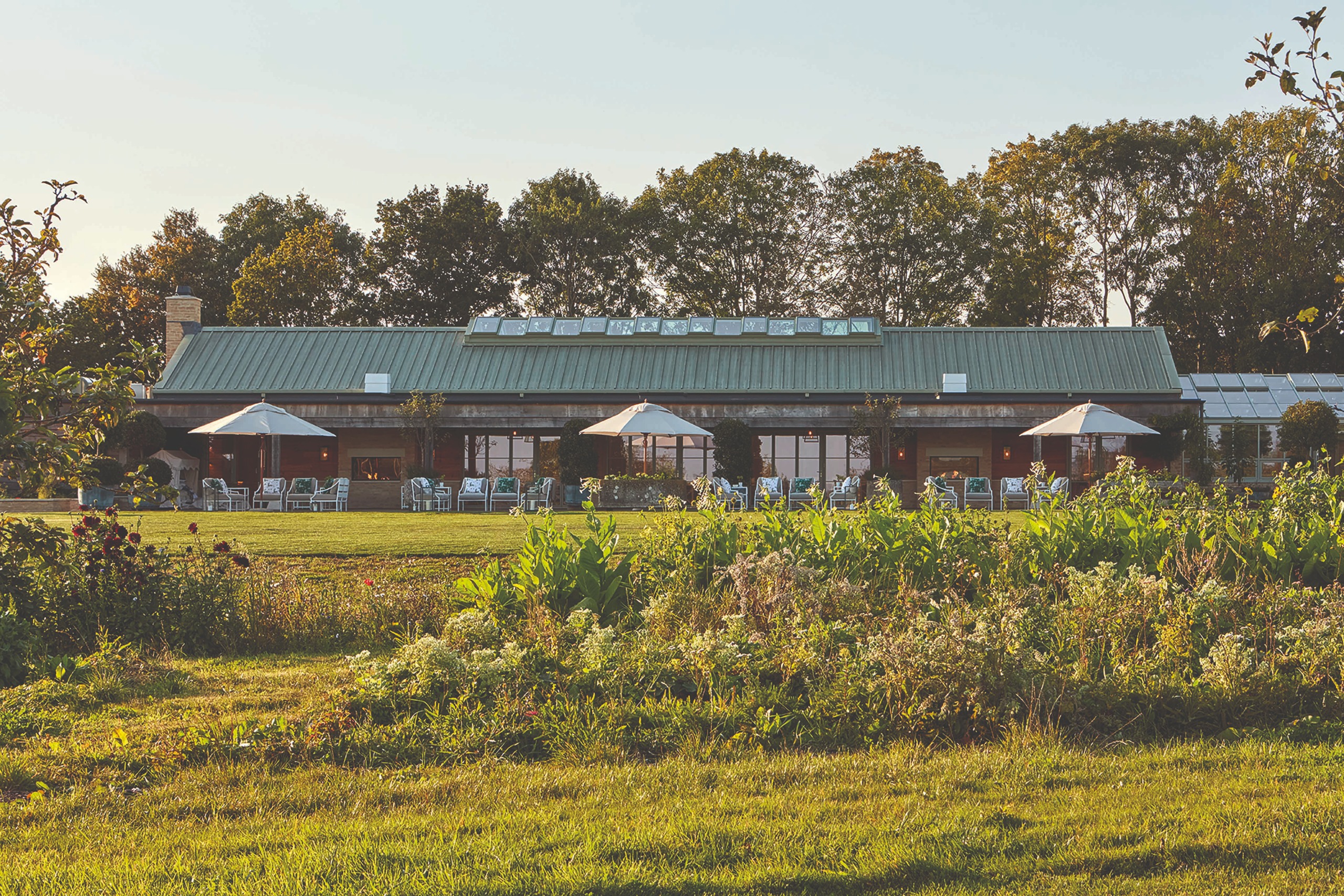 Reader event: Reinventing the country house at Daylesford
Next month, leading experts in architecture, interior design, stonework and cabinetry will share the secret of creating a country house suited to life in the 21st century at Daylesford’s Heritage Barn.
-
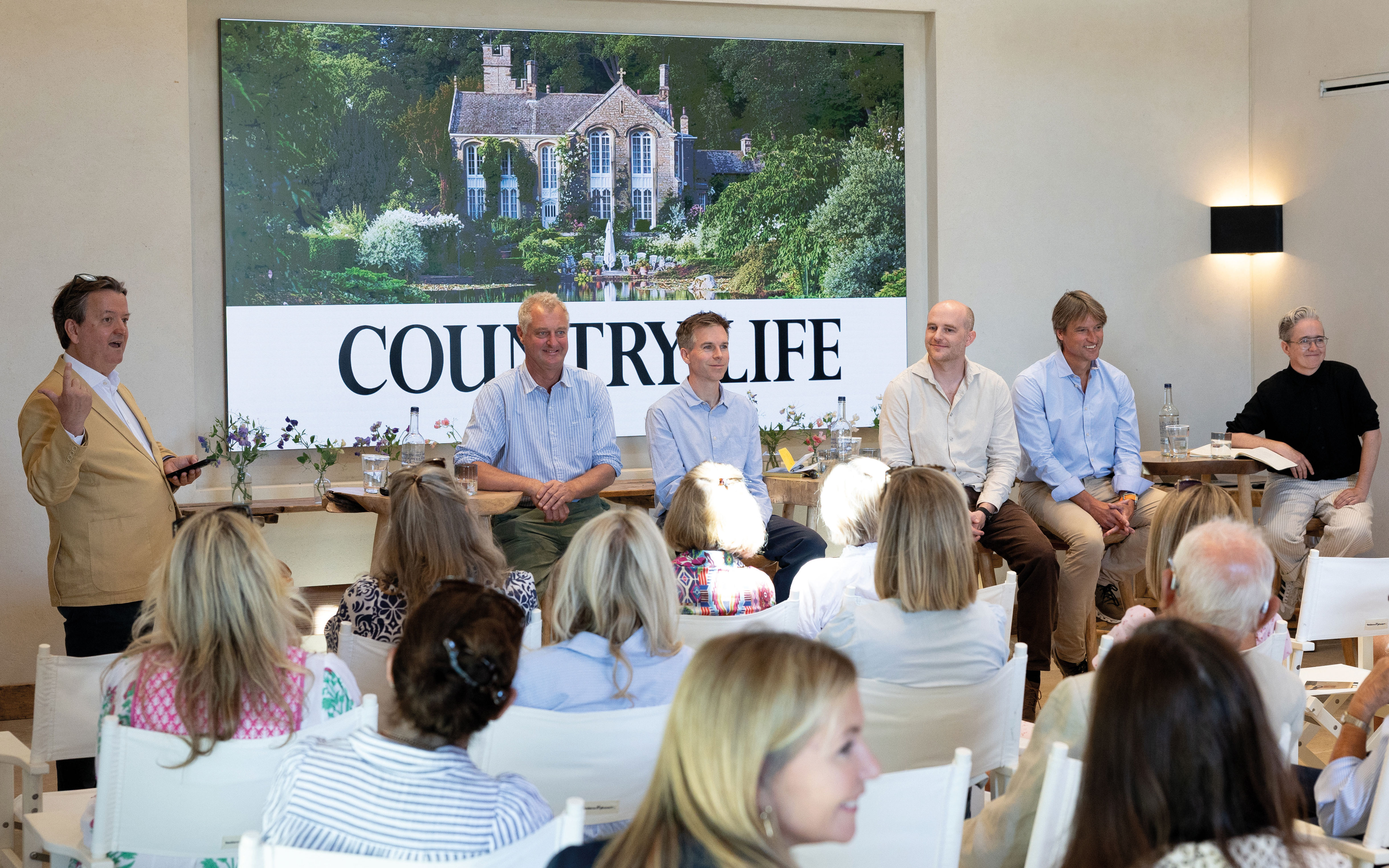 The art of the country garden at Daylesford
On July 2 this year, five experts shared their thoughts on the secret of creating the perfect rural sanctuary.
-
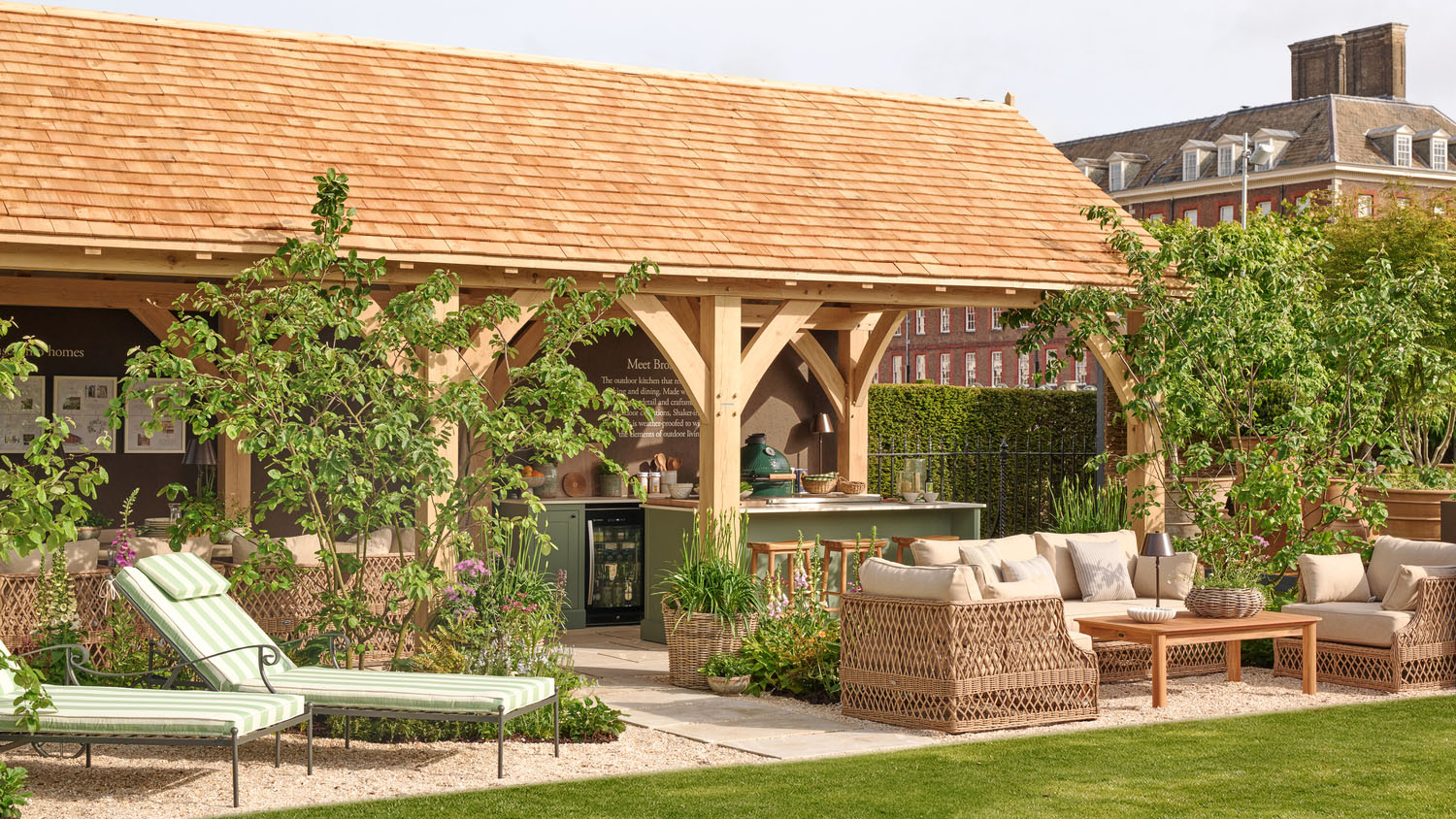 Rooms with a view: The new Oakwrights garden pavilion collection
A new collection of garden pavilions from Oakwrights offers hand-crafted structures designed for those who want to spend more time in their own great outdoors.
-
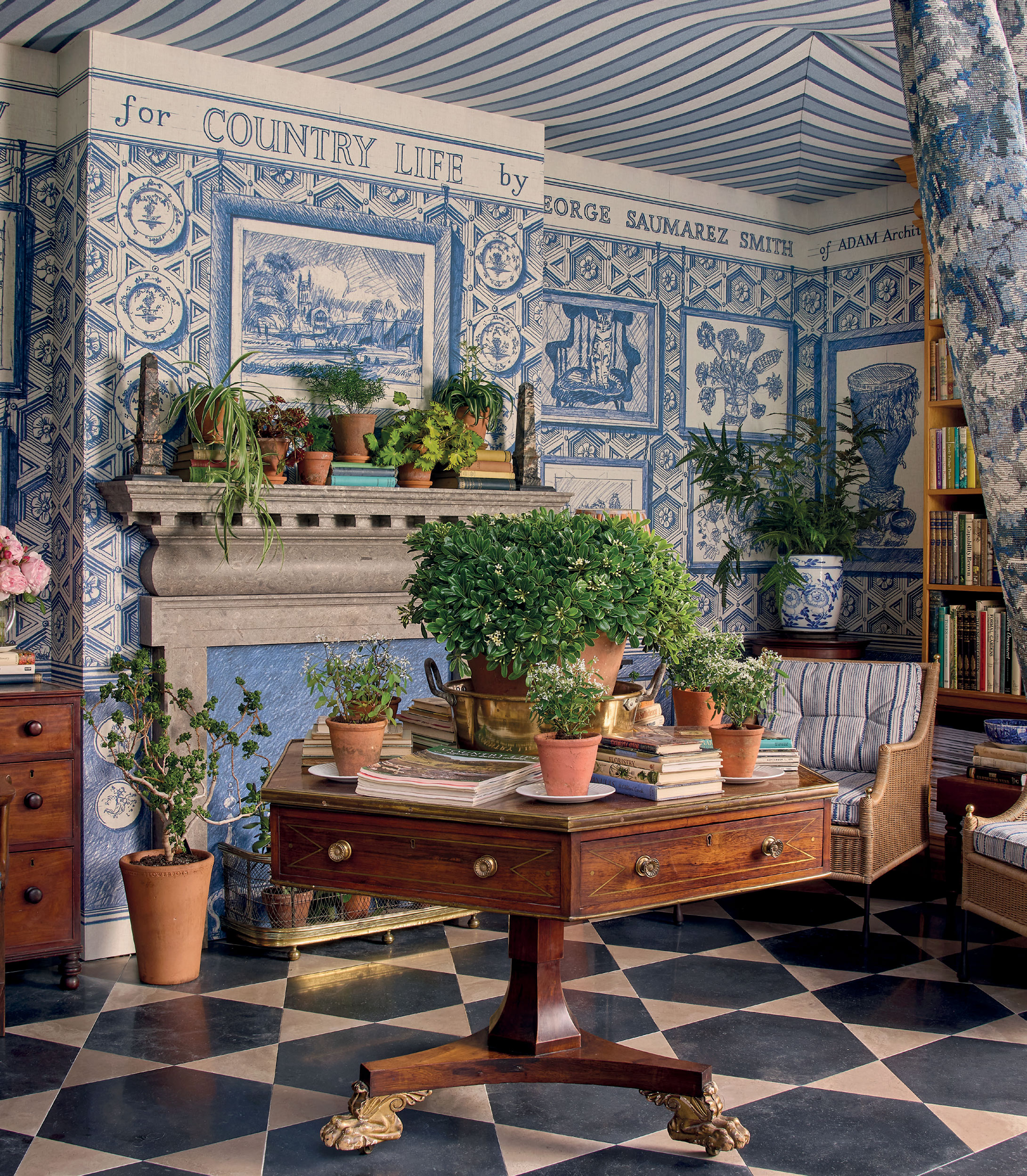 Homegrown heroes: The British stone from Artorius Faber which transformed Country Life's RHS Chelsea Flower Show stand
George Saumarez Smith’s design for the floor of Country Life's stand at the RHS Chelsea Flower Show has been brought to life by Artorius Faber.
-
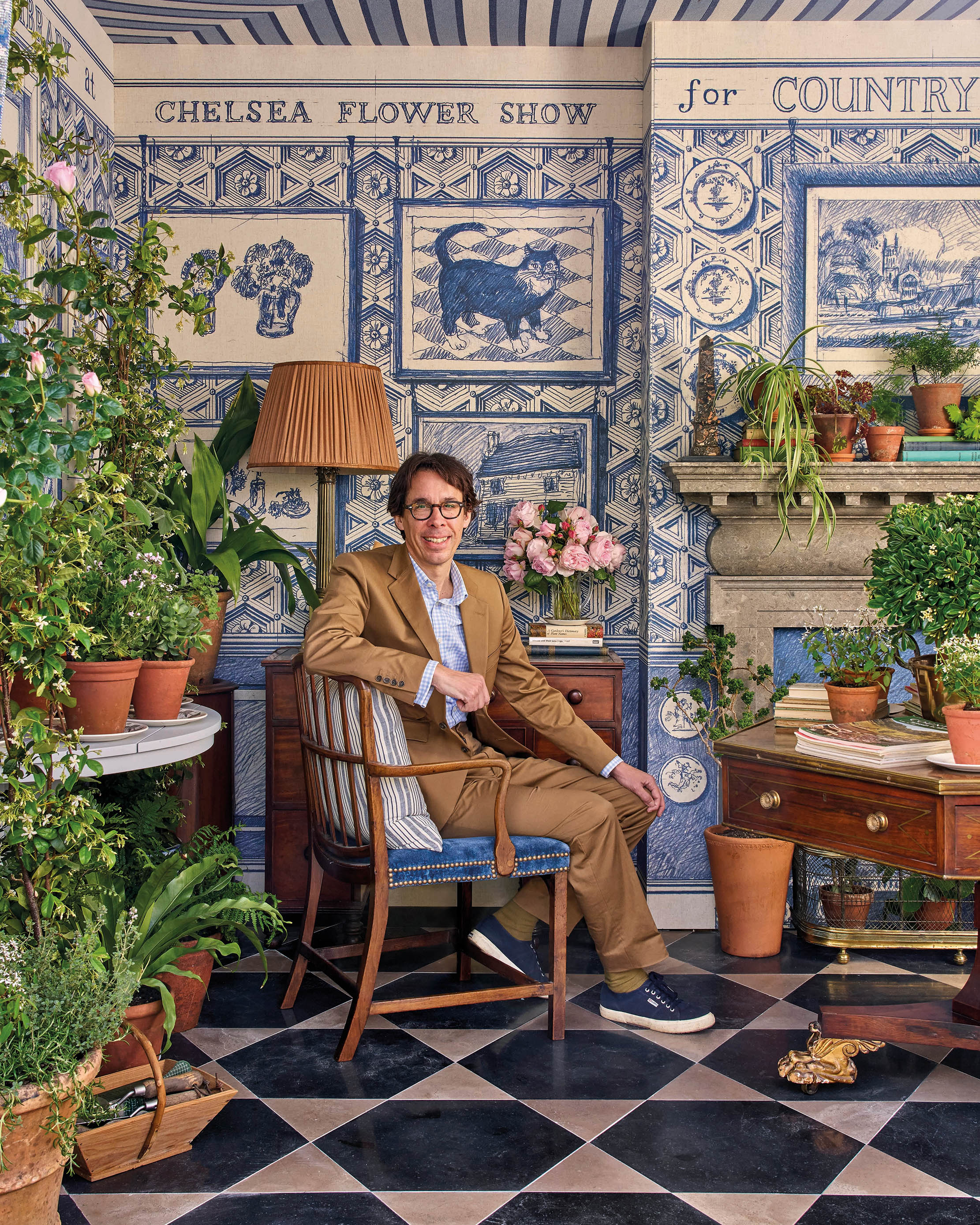 Star of the show: How George Saumarez Smith's design for Country Life wowed visitors at the Chelsea Flower Show
The Garden Lover’s Library, created by George Saumarez Smith for Country Life, dazzled visitors at this year’s RHS Chelsea Flower Show.
-
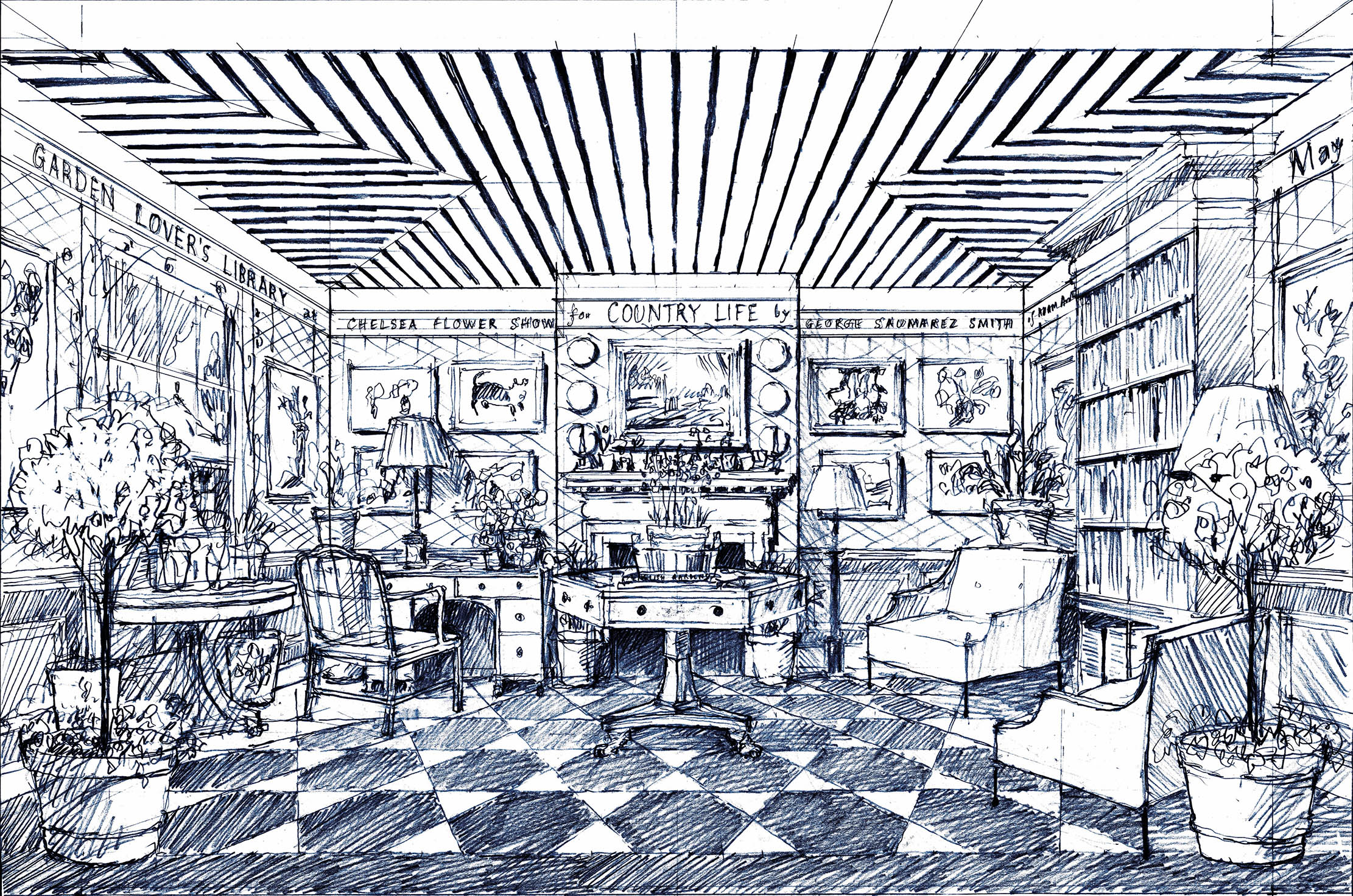 Inspired by the past: How Munder Skiles blended old and new for Country Life's stand at the Chelsea Flower Show
On Country Life's stand at the RHS Chelsea Flower Show, two striking designs by Munder Skiles demonstrated the exciting possibilities of combining inspiration from the past, artisanal skills, high-quality materials and cutting-edge engineering to create furniture suited to inside and out.
-
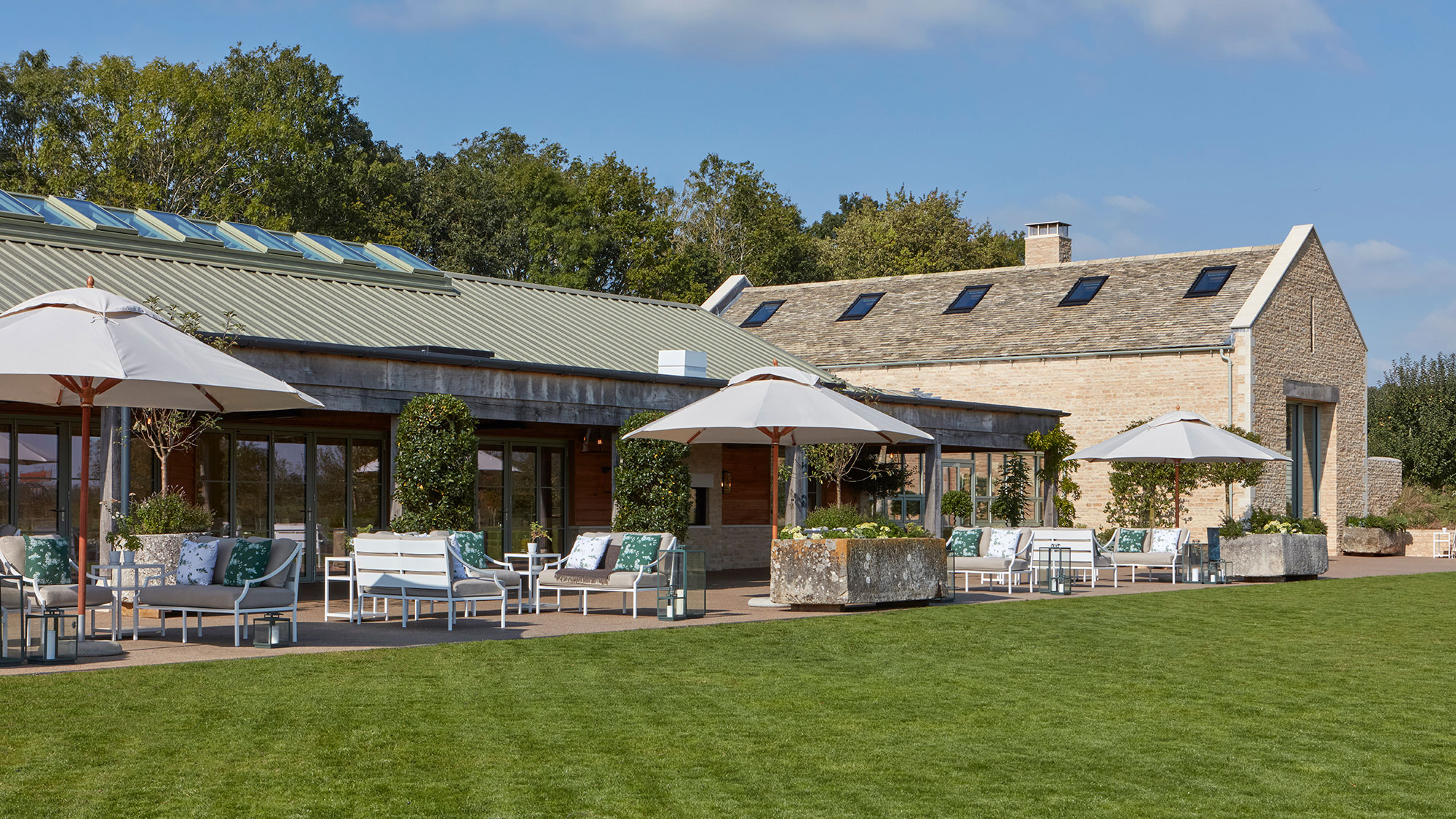 Reader event: The art of the country house garden at Daylesford
What are the ingredients of the perfect country garden in the 21st century? At this Country Life event, five leading experts will share their wisdom on achieving pleasing good looks, creating comfortable spaces for relaxation, manageable maintenance and how to make a garden your own.
-
 Art underfoot: How Artorius Faber brought to life the stone floor of Country Life's stand at the RHS Chelsea Flower Show
George Saumarez Smith’s design for the floor of Country Life's stand at the RHS Chelsea Flower Show has been brought to life by Artorius Faber.


