Advertiser Content

Plant trees for pollinators in need with the Woodland Trust
We can’t live without the industrious insects that pollinate our crops and support our ecosystem. Many of their populations are in decline, but you can help by creating a haven of nectar and nesting sites on your land this planting season.

Pollinators are essential to our ecosystem and economy. They pollinate our wild trees and wild flowers which support insects and, in turn, everything further up the food chain. They pollinate our food crops too, contributing the equivalent of over £500 million a year to UK agriculture and food production by improving crop quality and quantity. Bees alone are responsible for a staggering 90% of the world's pollination. That includes around 70 British food crops like broccoli, carrots, parsnips, apples, raspberries and tomatoes. Without our bees, this service would cost the UK an estimated £1.8bn a year.
We have over 1,500 species of insect pollinator in the UK, including bees, moths, butterflies, beetles and hoverflies. But they’re in trouble. Faced with climate change, habitat loss, invasive species and other threats, this group of species show an average decrease in distribution of 18% since 1970 and too many face extinction, including 35 of our bee species. You can make a difference — and the Woodland Trust's Tree Shop is an ideal place to start.
Give struggling wildlife a helping hand
Choosing flowers for their pollen and nectar value is increasingly popular, but when it comes to impact and maintenance, trees are hard to beat. They offer vital food and shelter on a much bigger scale and rather than needing to continually deadhead and replant every year, their bounty simply increases as they mature through each growing season.
Trees offer nectar, pollen and nesting sites for our crucial pollinators all year round, as well as cleaning the air, capturing carbon, reducing flooding and improving wellbeing. Considering their vast benefits, they’re incredible value for money — and the Woodland Trust’s subsidised tree packs offer even more bang for your buck. Available online from October-March — the main tree planting season — these packs are a great opportunity to transform your land for people and nature. The subsidy means you’ll pay as little as 43p per tree and delivery is free too.

Different tree packs are available to suit different spaces and purposes.
The Plant for Pollinators pack has been tailored to provide nectar and nesting sites all year round and will bring beauty to your space as well as bountiful buzzing. Tree flowers in different seasons offer vital food, from the early flowers of hazel in January and March’s delicate blackthorn blossom to rowan’s frothy cream May flowers and the large pink summer blooms of dog rose. The leaves of each species offer food for a plethora of moth caterpillars too, which go on to pollinate some of our favourite fruit and veg, including peas, strawberries and radishes.
Start your tree planting journey today
Plant more for less with the Woodland Trust’s subsidised tree packs. Our native mixes make it easy and affordable to create green spaces that are good for people, wildlife and the environment. All sourced and grown in the UK and Ireland, our Plant for Pollinators pack contains 210 trees: 40 hawthorn, 30 blackthorn, 30 crab apple, 30 goat willow, 30 rowan, 30 hazel and 20 dog rose. Prices start from just £92.
Other packs are also available to suit different spaces and purposes, from helping vulnerable species to greening urban communities.

The Woodland Trust is a registered charity (optional disclosure in England and Wales) No. 94344 and (optional disclosure in Scotland) No. SC038885. A non-profit making company limited by guarantee. Registered in England No. 1982873. Registered Office: Kempton Way, Grantham, Lincolnshire, NG31 6LL. The Woodland Trust logo is a registered trademark.
-
 Lights, camera, don't move! The new wave of English still-life painters
In the final feature of a five-part series of the new school of English painting, Charlotte Mullins meets the artists standing still.
-
 The Bentley Torcal is an electric car that isn’t afraid
Why pretend to be something you're not, when you can celebrate something that you are.


-
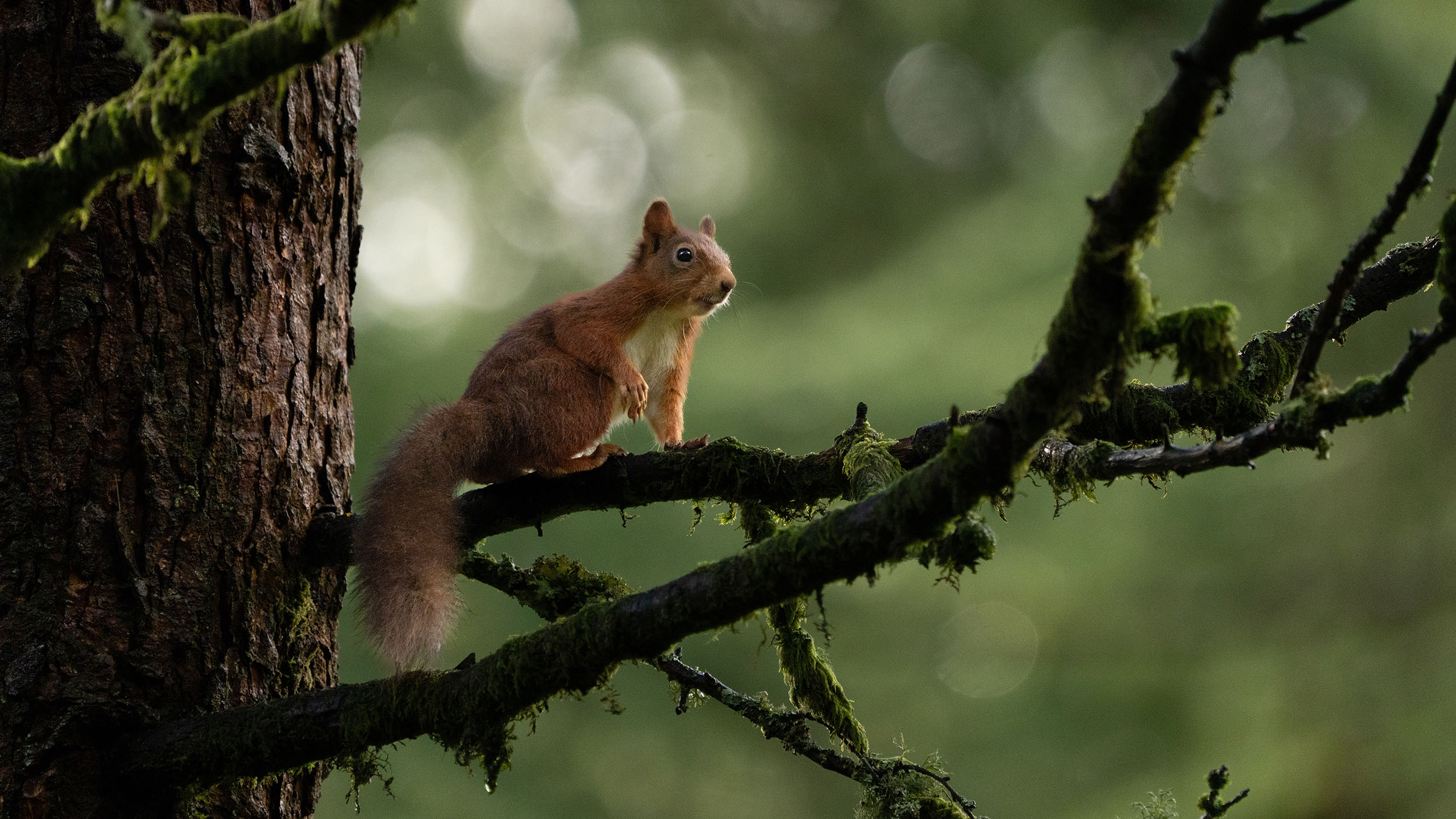 The ancient stretch of the Yorkshire Dales being revitalised by the Woodland Trust
In the space of a few years, the Woodland Trust have already begun to transform Snaizeholme. Now they urgently need your help to take this wonderful project on to the next stage.
-
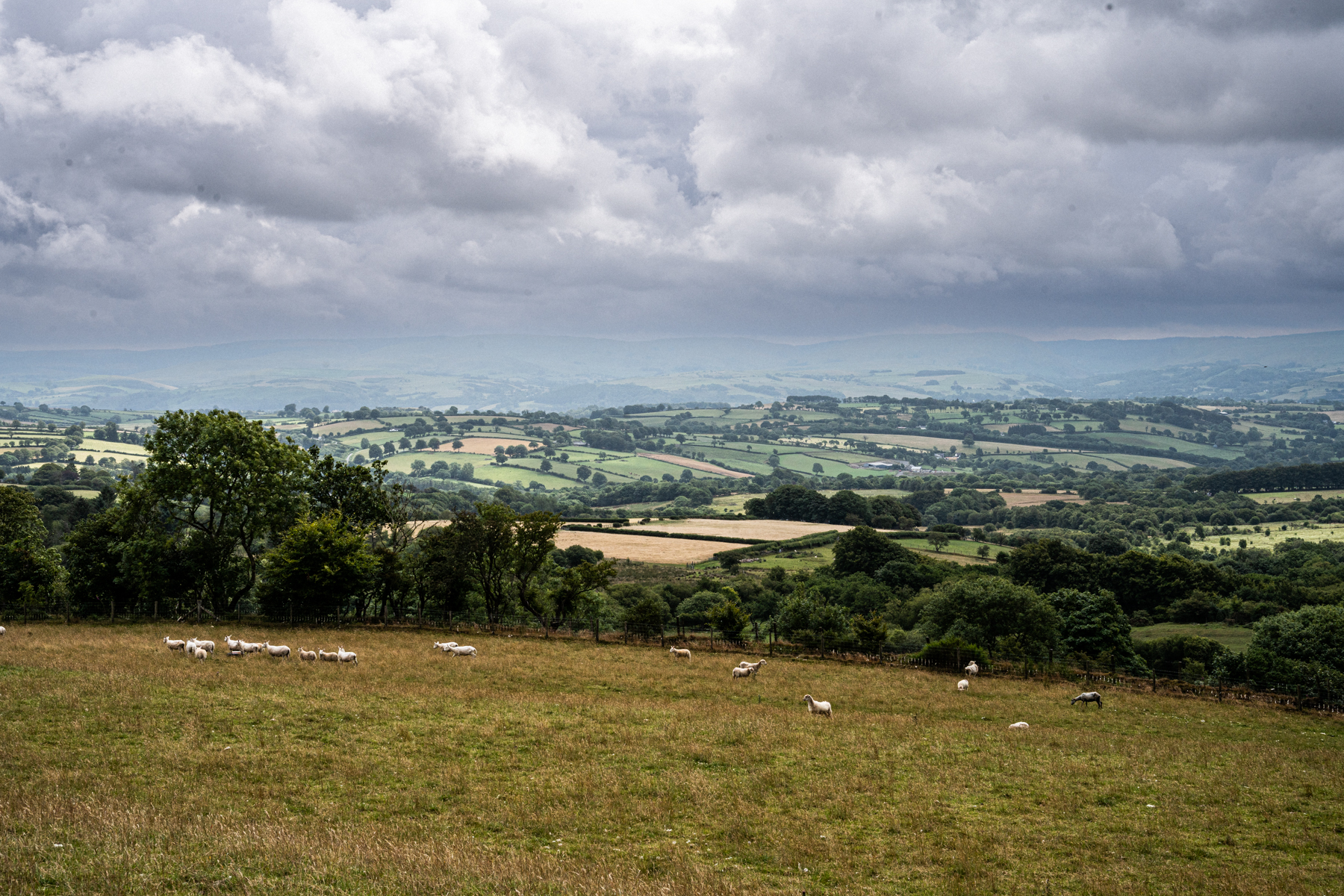 The Welsh Way
Sustainable, ethical and unmatched for taste, Welsh Lamb is as good as meat gets.
-
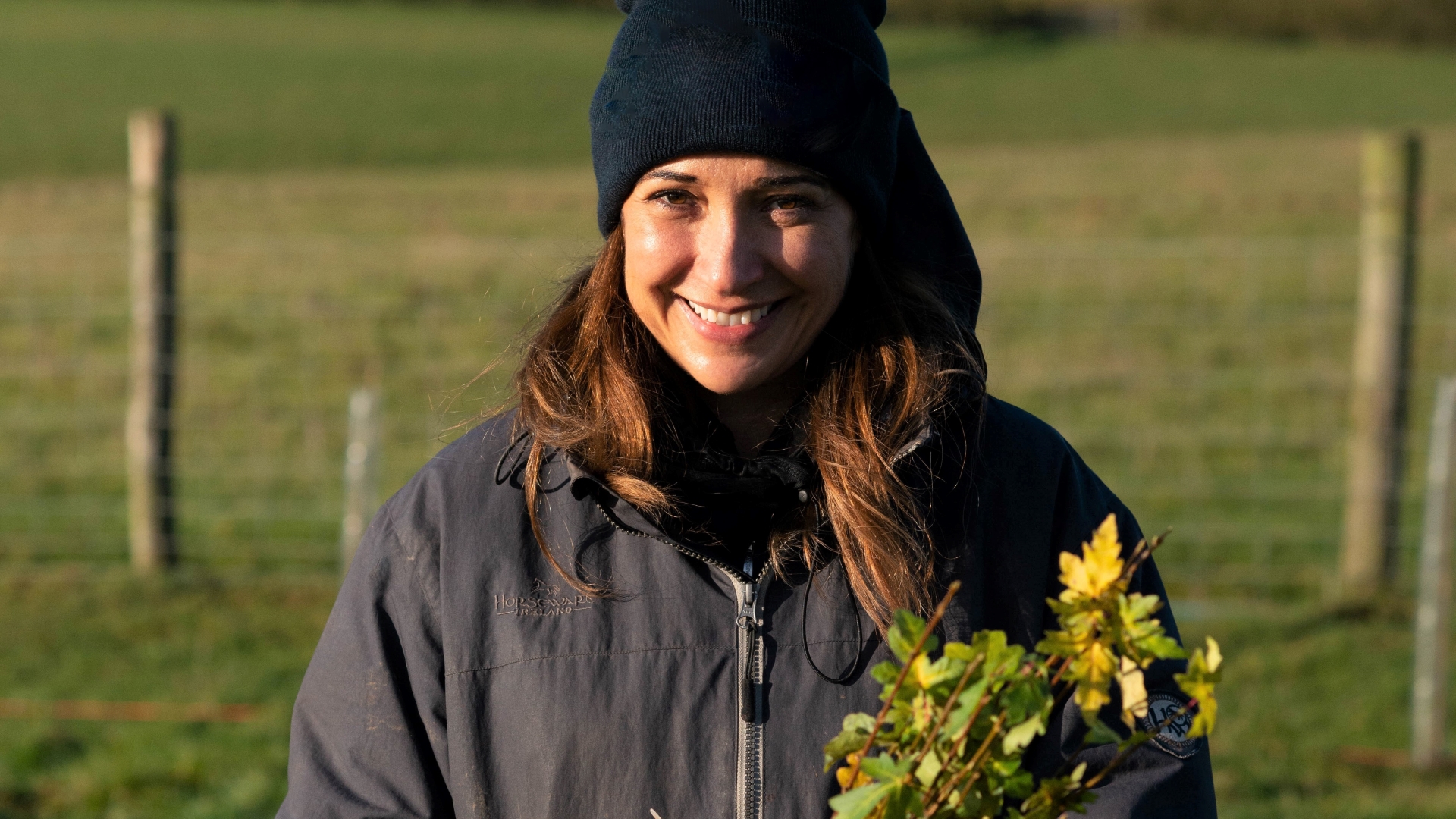 How planting trees can fight flooding and improve your soil
Record-breaking rainfall and a changing climate convinced Leicestershire farmer Rachael Spence that she needed to find a way to combat flooding and improve her soil. The answer? Planting more trees, which have helped reduce flood risk and future-proof her land and business.
-
 Planning beyond your future
The number of people being hit by inheritance tax has soared in recent years, yet many of us have no idea if our beneficiaries will be liable and what to do if we are. The experts at Investec Wealth & Investment (UK) can help.
-
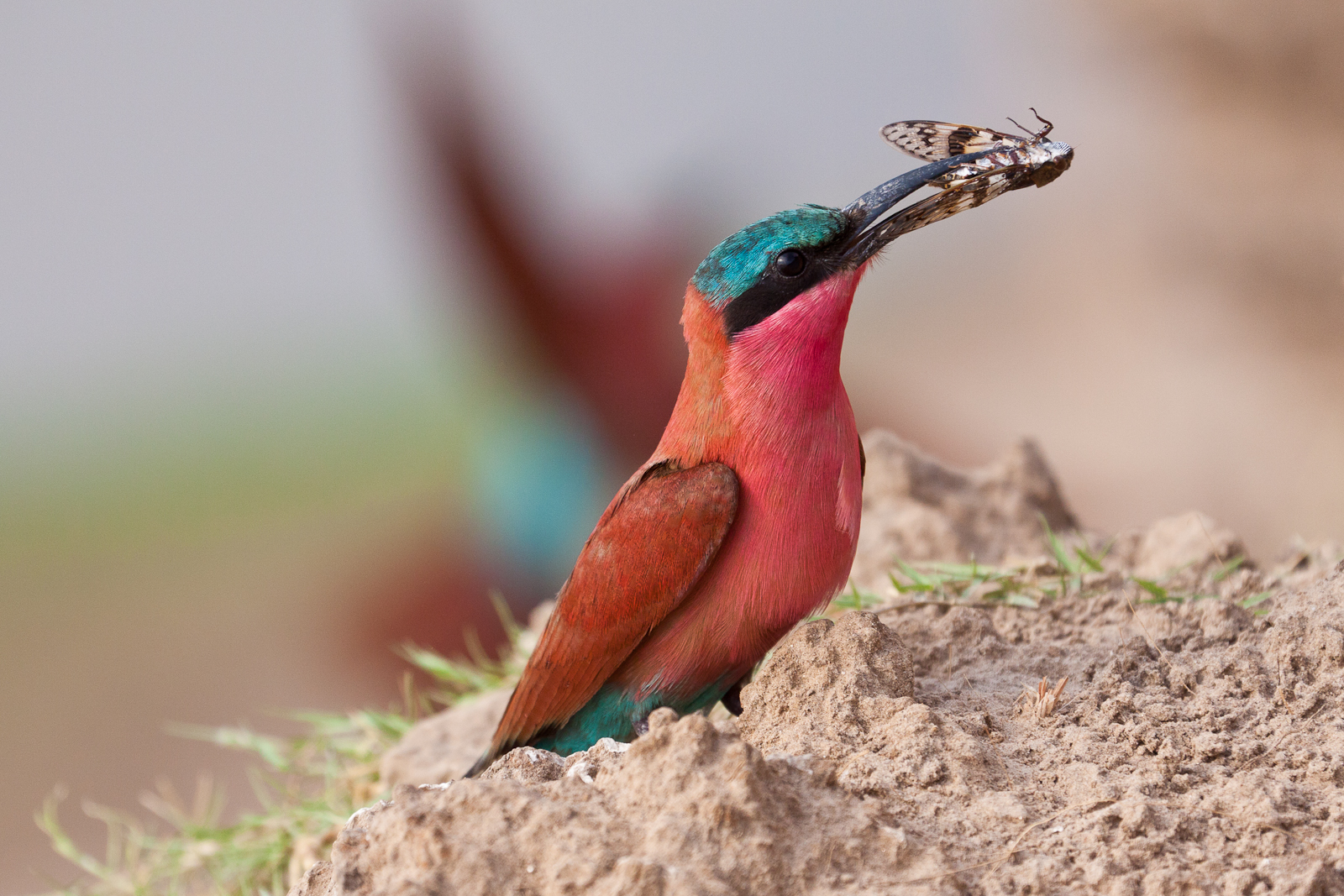 The call of the wild, from gliding past hippos on a mokoro to riding alongside cheetahs and giraffes
Whether following migrating wildebeest on foot, gliding past hippos on a mokoro, or riding alongside giraffes, little beats the thrill of an Aardvark safari.
-
 The safaris that deliver wild encounters for the whole family
Aardvark Safaris create tailor-made wildlife trips in Africa to thrill all ages.
-
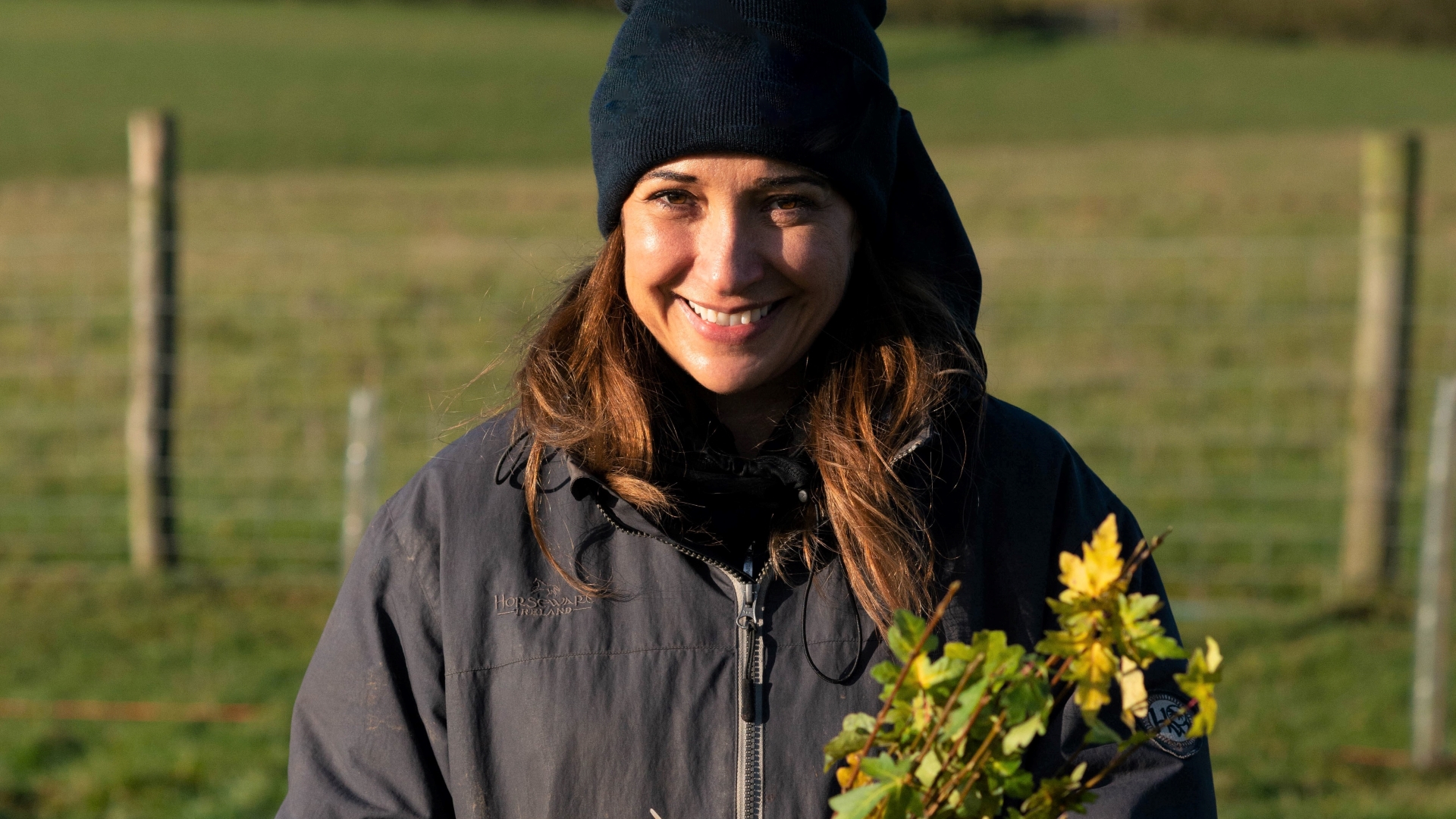 Restore the natural balance on your land with trees
Planting trees isn't just about how they look — they can help increase biodiversity, provide shelter, prevent soil erosion, reduce flooding and much more, as more and more farmers are finding.
-
 The Country Life colour edit, with Wallpaper Direct and Designer Paint
When decorating a country home, Wallpaper Direct and Designer Paint make a huge range of inspiring wallpapers and paints available at the press of a button.


