
What are the aesthetic benefits of beautiful joinery?
Without it, even the grandest room will be nothing more than a box. Beautifully crafted and conceived joinery can add drama to an interior, employing light and shade to lend depth, as well as framing openings and significant features. It can also play a vital role manipulating proportions.
And the practical benefit?
Architectural joinery is often used to cover joints between plasterwork and timber, as well as to protect the fabric of a building from everyday use. Skirting, for example, forms a bridge between the floor and a dado rail — or chair rail — protects the plaster from wear and tear. Panelling also creates extremely effective insulation. In rooms such as kitchens, libraries, boot rooms, gun rooms and sculleries, joinery has a transformative effect, not just on a room, but also on the daily lives of the owners.

What is the role of architectural joinery in the classic English country house?
For centuries, crafted timber has offered an opportunity to express the owner’s wealth, style and sophistication. In the 1700s, travellers would return from a grand tour with records of classical styles. London was, from Roman times, a very influential place — a melting pot of different disciplines, crafts and design ideas from around the world.
The purest interpretation of the classical styles of Georgian detailing, for example, are therefore more likely to be found in an abode in Mayfair than in a country house. However, a wealthy squire may have been inspired by a fashionable London style and returned to his seat with pattern books and sketches. These would then be interpreted by the local joiner, resulting often in a loose interpretation of the original pattern.
Which are your favourite examples?
Each generation leaves its mark. It’s common to find a Georgian house with perhaps a Victorian extension, with further modifications carried out in the Edwardian era. Houses evolve and their charm derives from the resulting mish mash of confused detail.
A favourite example of this is Folly Farm in Sulhamstead, Berkshire. Originally a pre-Tudor, timber-framed manor house, Sir Edwin Lutyens was commissioned in 1895 to build a classical extension, using brick and flint in the neo-Classical style. The architectural joinery is fascinating — for example, in the entrance hall, Lutyens pulled off an unusual blend of Rococo and chinoiserie mouldings.

In 1910, Folly Farm was sold to a new owner, who invited Lutyens back, commissioning a new wing to demonstrate a more contemporary Arts-and-Crafts form that was popular at the time. This part of the house expresses Lutyens’s interest in the use of granite, stone and oak, reminiscent of Elizabethan style, but with an Arts-and-Crafts interpretation.
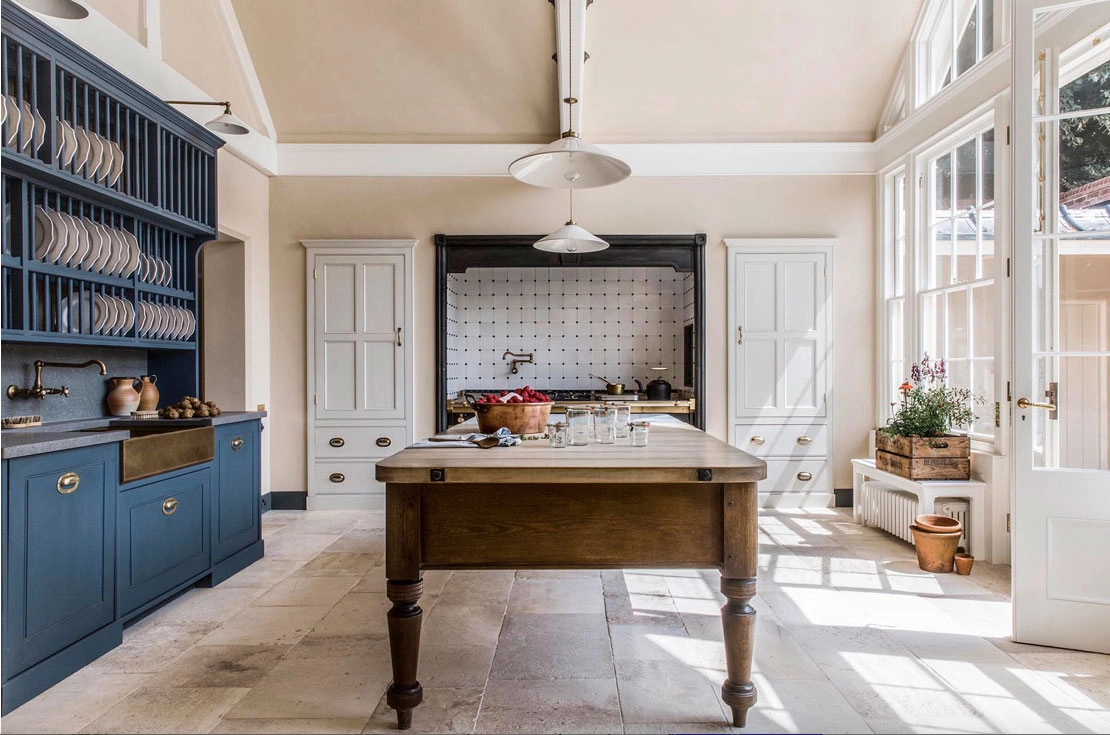
Artichoke was commissioned to create a family kitchen, along with some other rooms. For the kitchen, our designs were based on Lutyens’s original domestic furniture, along with an Arts-and-Crafts island with a modern take. It was an honour to be invited to contribute to such an architecturally important house.
How was the tradition of great English joinery lost?
With urbanisation and the rapid rise in the population, the need for housing built in a fast and affordable way has contributed to a reduced interest in architectural joinery. Because mass manufacturers are motivated by profit, they design mouldings that only require a single pass through a machine.
The result is that mouldings have become simplified, homogenised interpretations of the originals. With the increasing influence of modernism, there has been a greater emphasis on engineering and technology, leaving less opportunity to educate architects in the language of classical architecture and design.
Which of your own projects best demonstrate the possibilities of painstakingly made joinery?
In every commission we undertake, our ambition is to create Britain’s future heritage by designing and making fitted furniture and cabinets that will be admired and enjoyed by future generations. I’m particularly proud of a striking project we’re working on now, where we’ve brought a little bit of 18th century Paris to a Jacobean manor house in Staffordshire. We have designed mouldings for a boudoir and dressing room that reference Louis XVI mouldings (very different to English mouldings at the time) and introduced them into the panelling.
To find out more about Artichoke visit www.artichoke.co.uk or telephone 01934 745270.

Credit: Butson
A stunning country kitchen, which draws inspiration from the late Victorian kitchen at Lanhydrock, Cornwall
The kitchen of Lanhydrock House in Cornwall provided the inspiration for a stunning new kitchen, designed by Bruce Hodgson of

-
 Test your general knowledge in the Country Life Quiz of the Day, September 28, 2026
Celebrate Monday with Country Life's latest quiz.
-
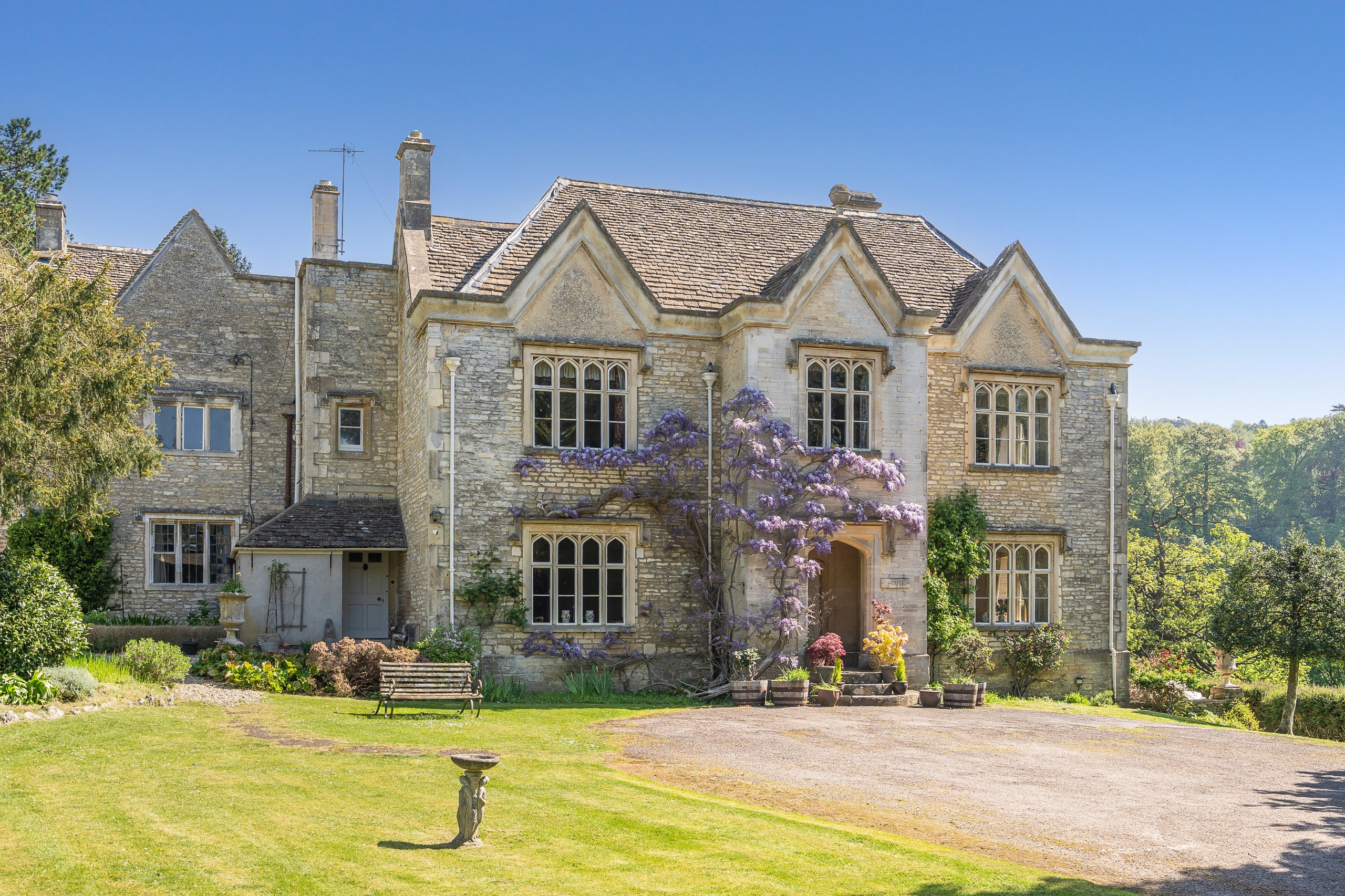 A wisteria-clad Cotswolds home with a name that'll put a smile on your face
17th century architecture and early-Victorian design flair combine in the beautiful Pud Hill, in a village in the heart of the Cotswolds in Gloucestershire.


-
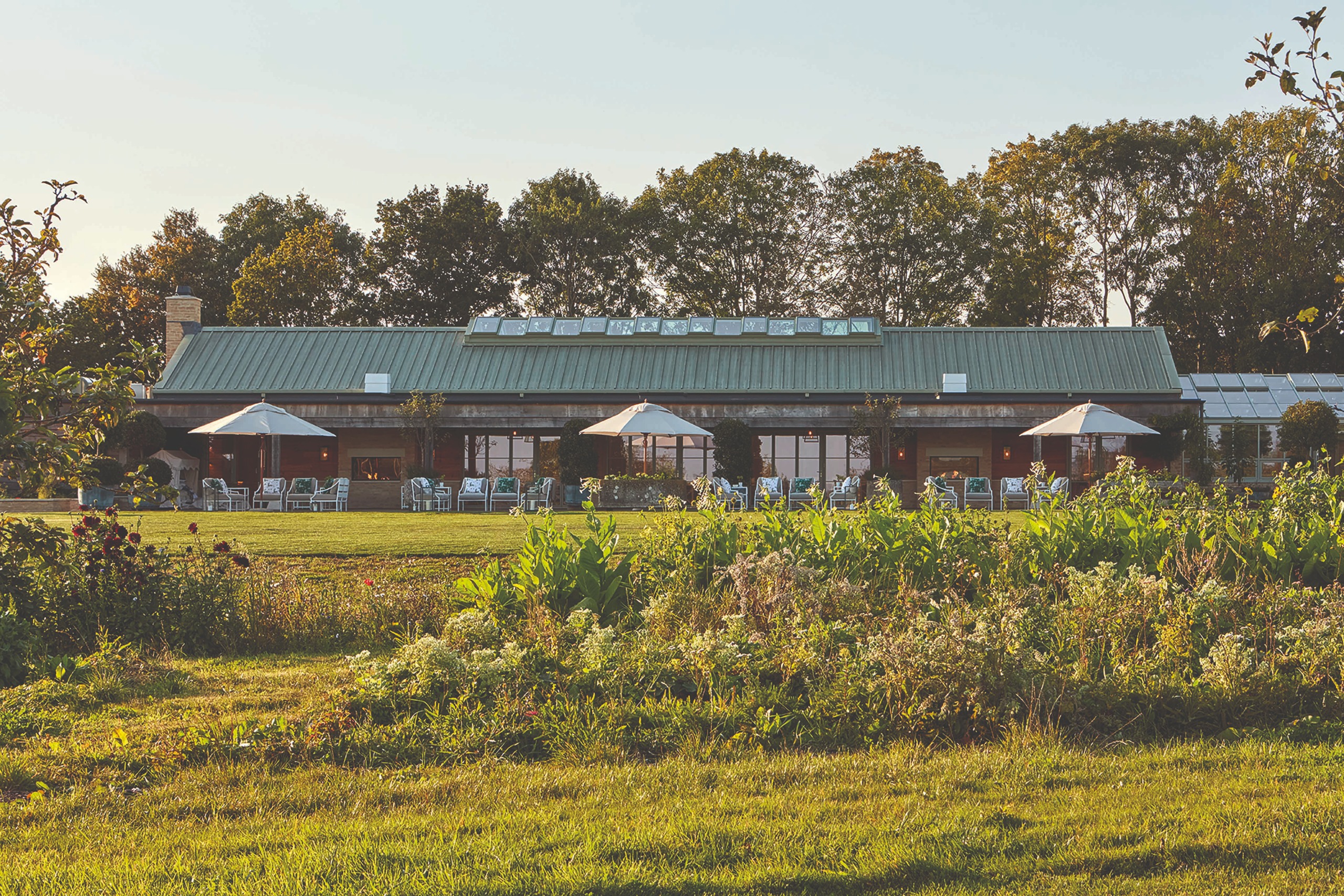 Reader event: Reinventing the country house at Daylesford
Next month, leading experts in architecture, interior design, stonework and cabinetry will share the secret of creating a country house suited to life in the 21st century at Daylesford’s Heritage Barn.
-
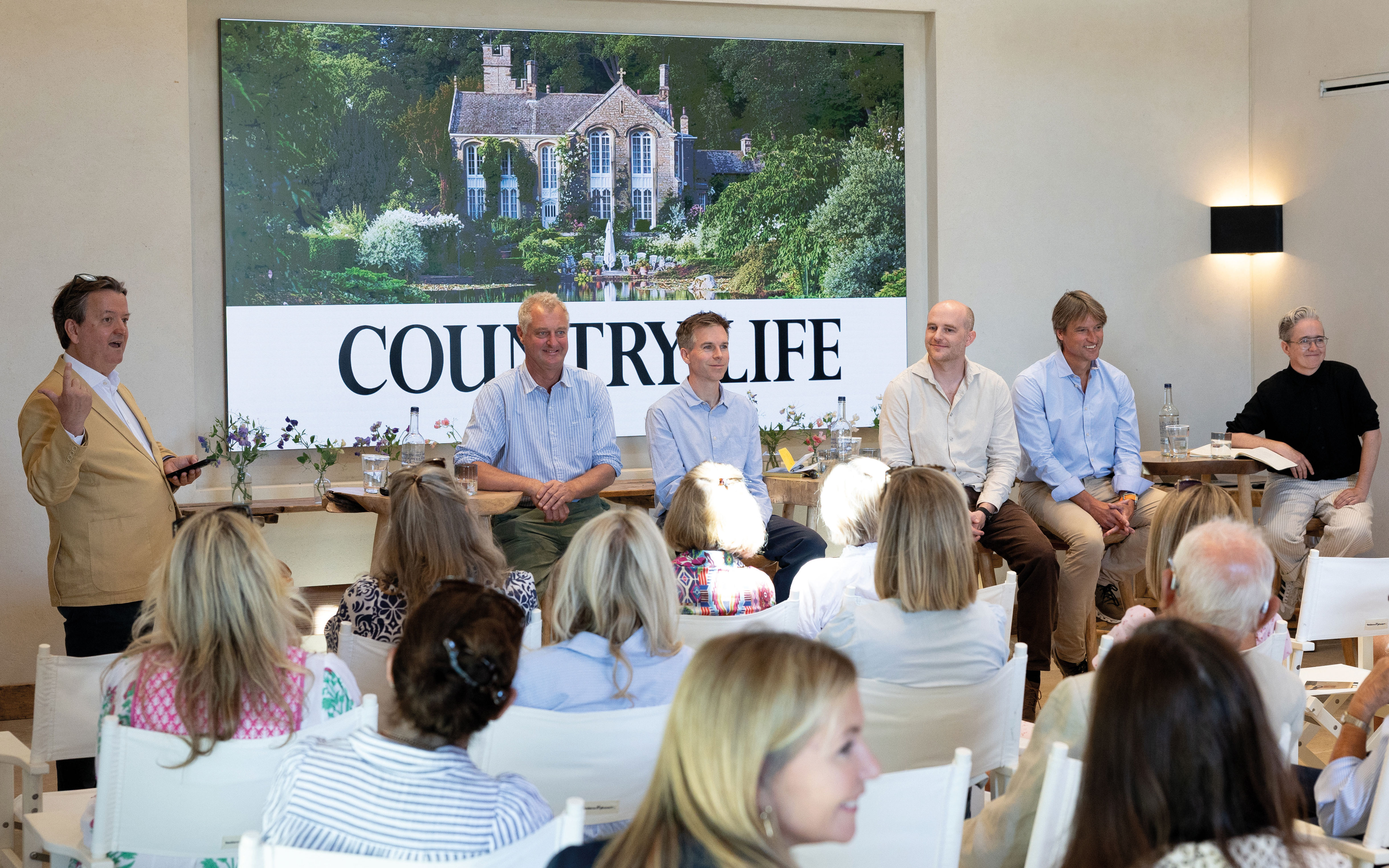 The art of the country garden at Daylesford
On July 2 this year, five experts shared their thoughts on the secret of creating the perfect rural sanctuary.
-
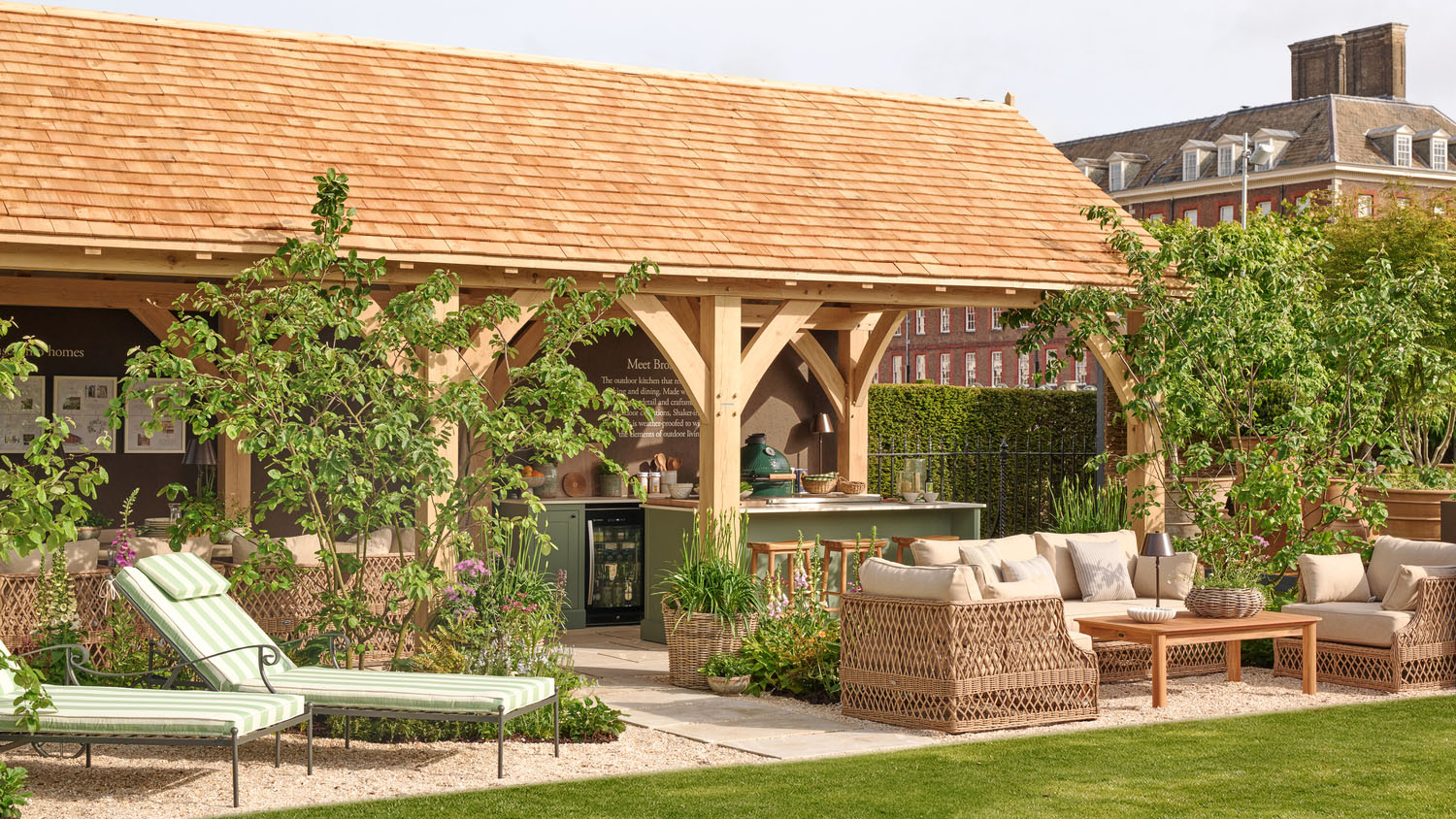 Rooms with a view: The new Oakwrights garden pavilion collection
A new collection of garden pavilions from Oakwrights offers hand-crafted structures designed for those who want to spend more time in their own great outdoors.
-
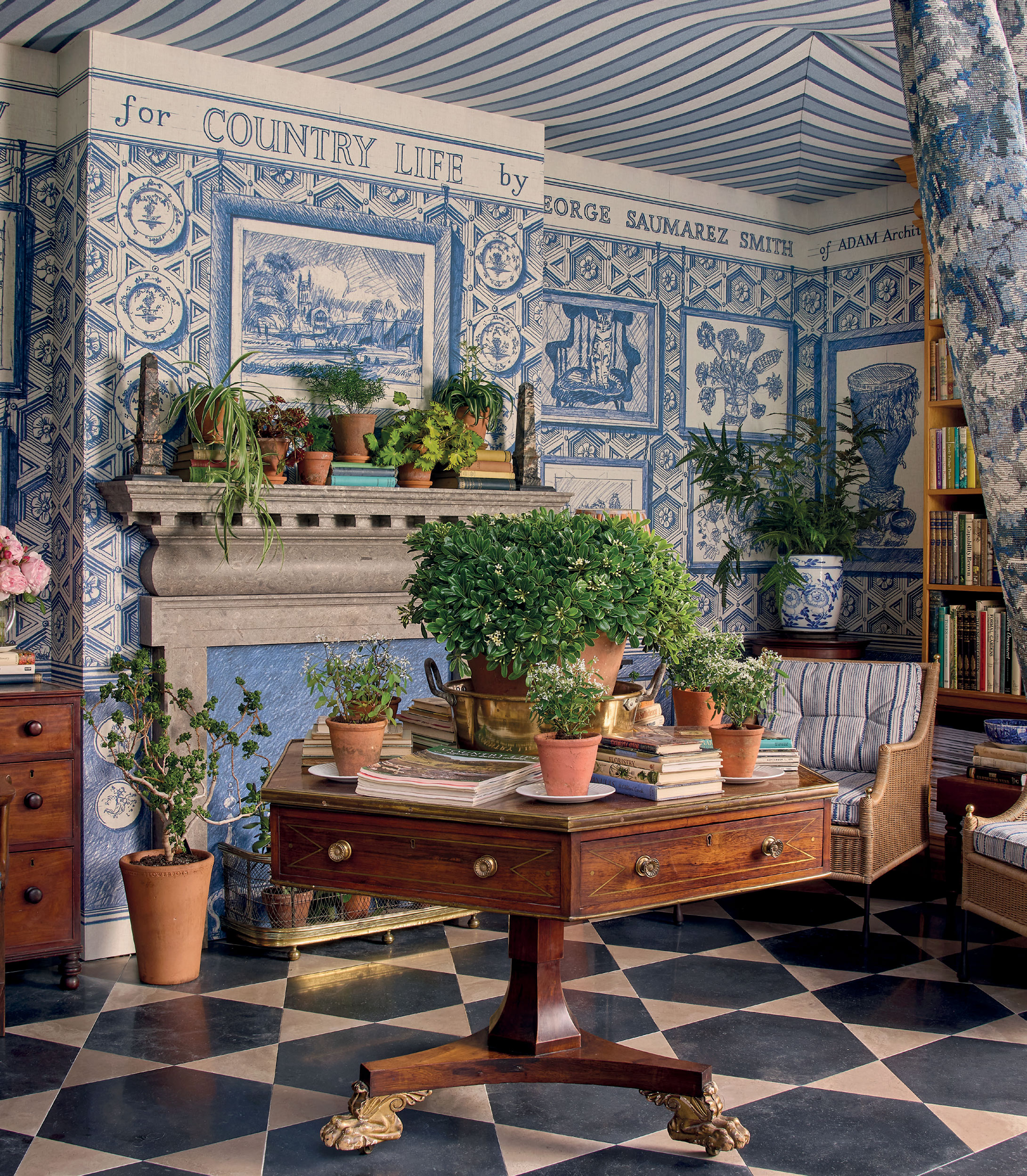 Homegrown heroes: The British stone from Artorius Faber which transformed Country Life's RHS Chelsea Flower Show stand
George Saumarez Smith’s design for the floor of Country Life's stand at the RHS Chelsea Flower Show has been brought to life by Artorius Faber.
-
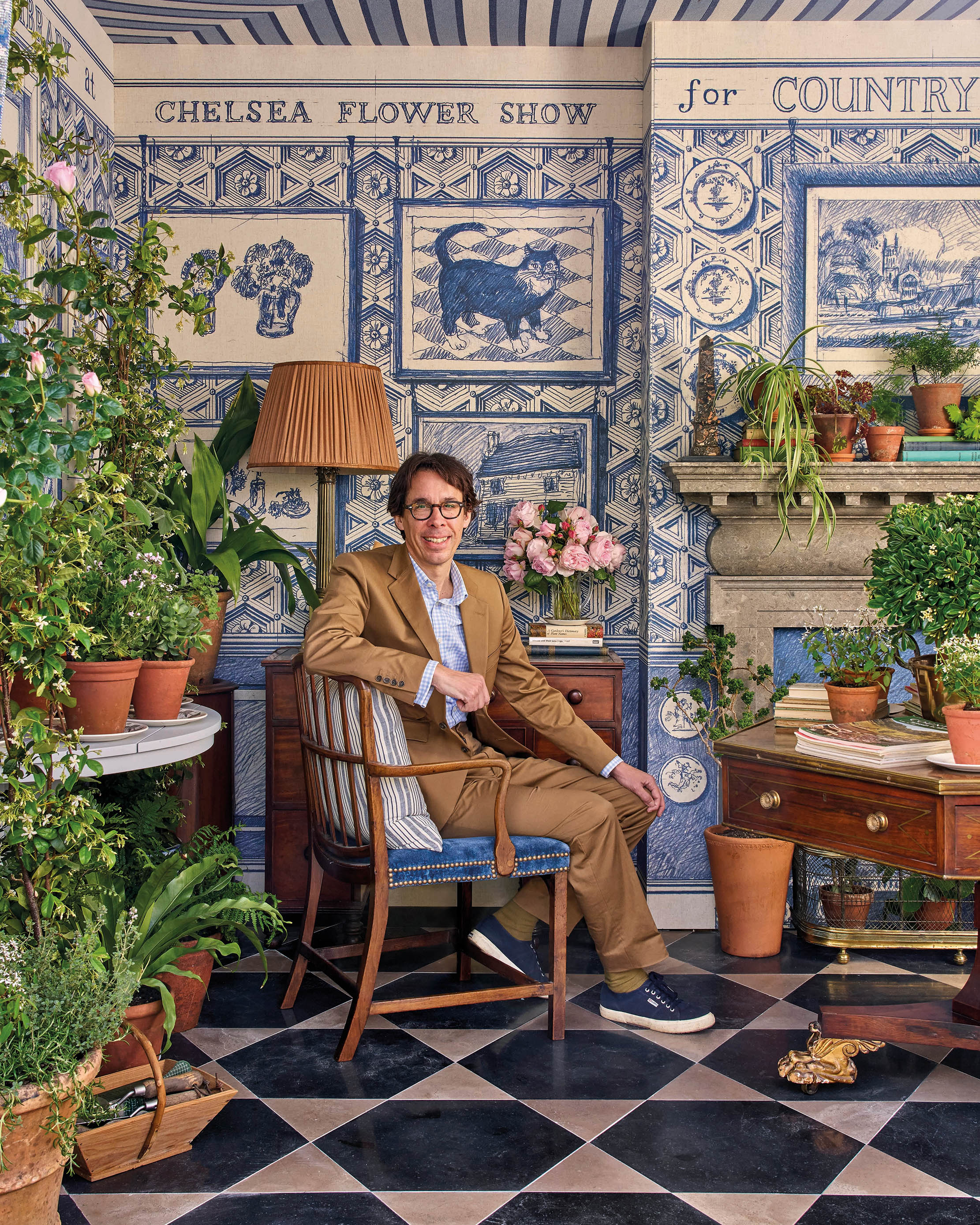 Star of the show: How George Saumarez Smith's design for Country Life wowed visitors at the Chelsea Flower Show
The Garden Lover’s Library, created by George Saumarez Smith for Country Life, dazzled visitors at this year’s RHS Chelsea Flower Show.
-
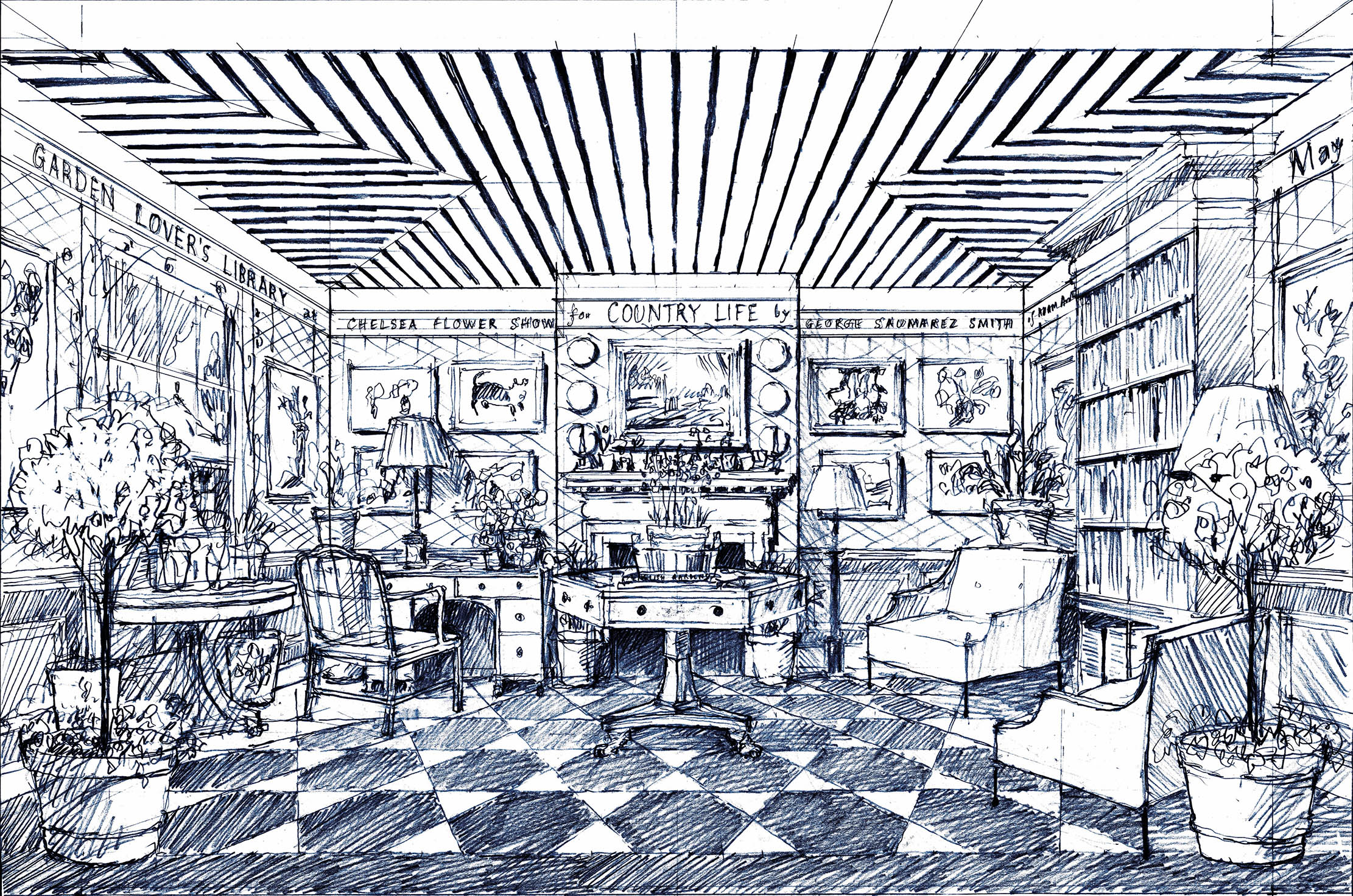 Inspired by the past: How Munder Skiles blended old and new for Country Life's stand at the Chelsea Flower Show
On Country Life's stand at the RHS Chelsea Flower Show, two striking designs by Munder Skiles demonstrated the exciting possibilities of combining inspiration from the past, artisanal skills, high-quality materials and cutting-edge engineering to create furniture suited to inside and out.
-
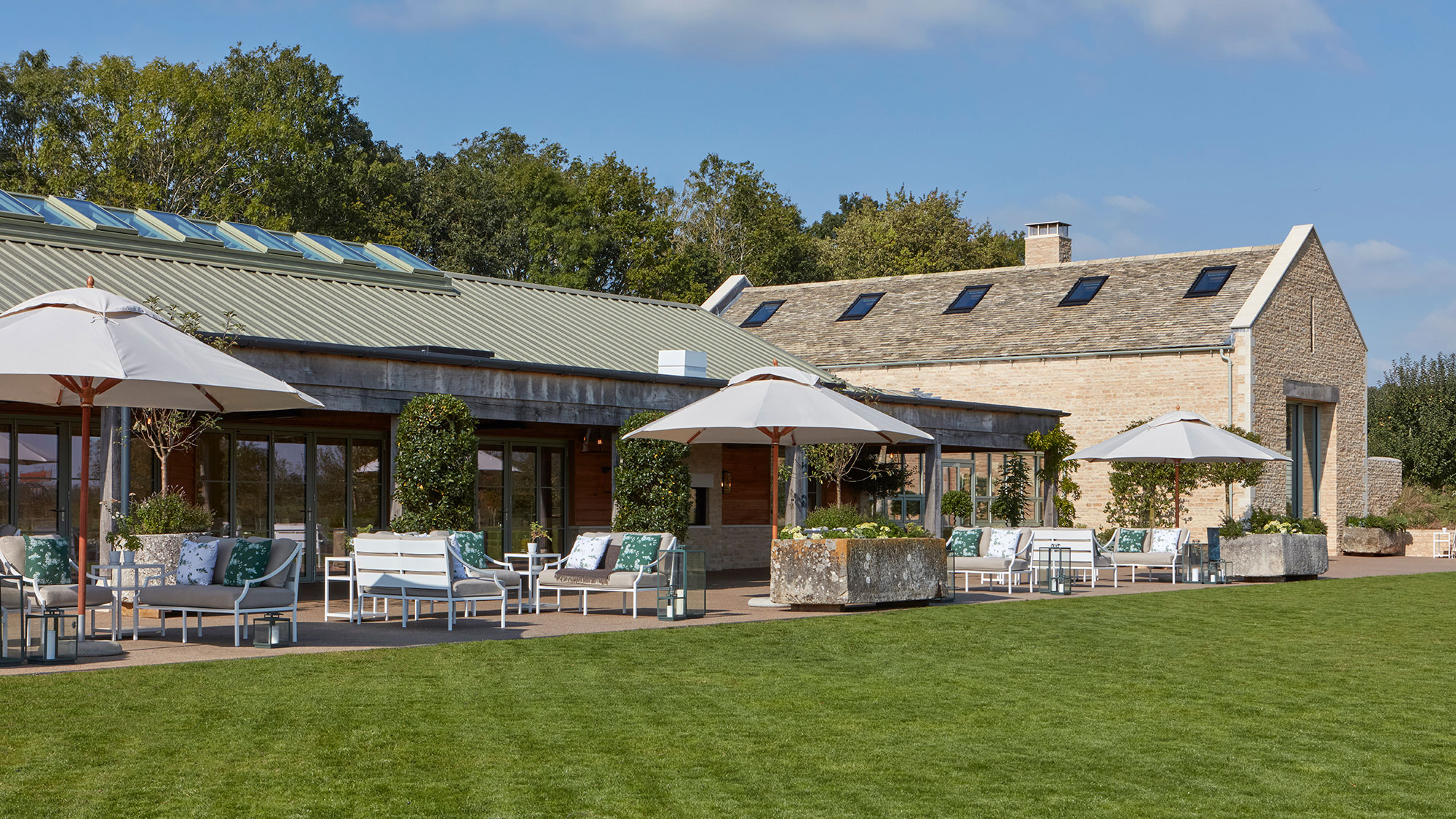 Reader event: The art of the country house garden at Daylesford
What are the ingredients of the perfect country garden in the 21st century? At this Country Life event, five leading experts will share their wisdom on achieving pleasing good looks, creating comfortable spaces for relaxation, manageable maintenance and how to make a garden your own.
-
 Art underfoot: How Artorius Faber brought to life the stone floor of Country Life's stand at the RHS Chelsea Flower Show
George Saumarez Smith’s design for the floor of Country Life's stand at the RHS Chelsea Flower Show has been brought to life by Artorius Faber.


