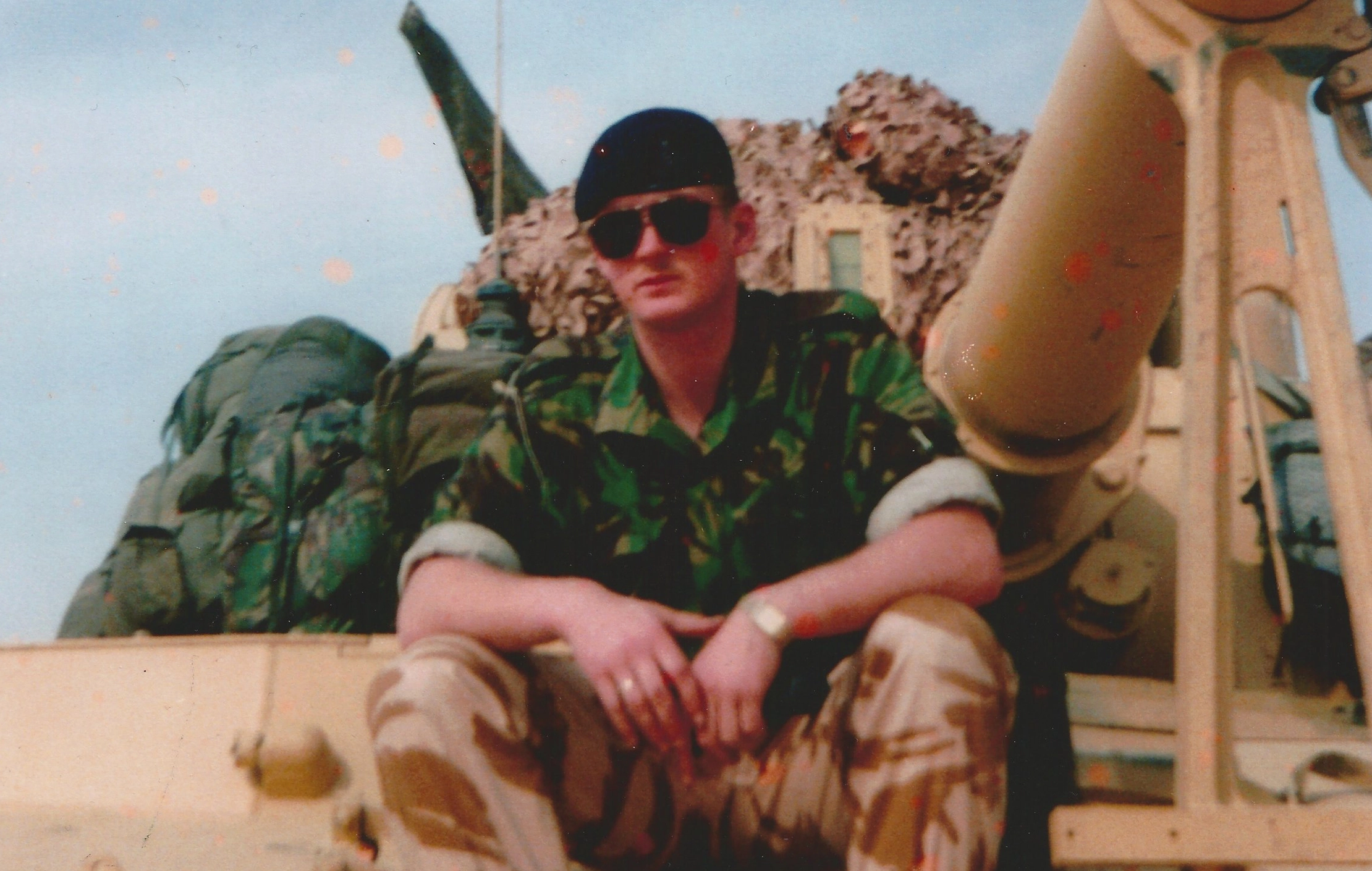

Serving in the forces isn't just a job. It's a calling, a role that defines your life far more strongly than almost any other career. Leaving is rarely easy in any circumstances, but many do come to a natural end of their careers and move on, well-prepared and well-supported, into a new phase in their lives.
The thousands each year who are medically discharged aren't always so lucky. Being forced to leave what has been a lifestyle as well as a job, invariably because of an injury sustained in the call of duty, can be devastating for soldiers, sailors and air crew. We owe far more than the usual support to those whose careers in the services comes to an abrupt, unexpected and literally painful end. Instead, far too often they are left to fend for themselves.

In the past two decades, some 40,000 men and women have had their careers in the Army, Royal Navy and RAF cut short by an injury or illness, ending a job which is far more than just a job.
We've all seen images and footage of the great work done by military medical centres which those injured in the call of duty, but that experience is far from universal — there are huge inconsistencies across the board about how it is managed, how long it takes and the support offered. Many injured service personnel end up in civilian life before their treatment has ended, sometimes before it's even started, and often with no clear guidance on compensation, support and even basic essentials such as being able to get their medical records to civilian doctors in the NHS.
Help for Heroes has launched a new campaign, 40,000 Strong, to tackle this problem, and give the support that is needed to veterans who have been failed by the Ministry of Defence's systems and networks.
'My work makes me feel like I am somebody again. I’m achieving something, and that’s something I hadn’t felt in a long time'
The tales of those who fall between the gaps can be horrifying to read. Take the case of Kev Gray, who was discharged from the army in 1995 suffering with Post Traumatic Stress Disorder (PTSD) triggered by experiences in Northern Ireland and the first Gulf War. What started as nightmares became a mental health condition that affected every aspect of his life; PTSD left Kev repeatedly reliving traumatic events and feeling unable to face everyday situations.

When he was medically discharged, Kev’s GP initially diagnosed him as suffering from anxiety and depression. It took a while, but he was eventually put in touch with a clinic that specialised in PTSD in veterans. Within a year it had closed down.
The next 17 years saw Kev fighting a new battle: the battle to receive the right treatment. So shocked was he by what he found that he began working with charities to help prevent others from going through the same problems. One day, he made contact with Help for Heroes.
Kev joined the Band of Brothers fellowship and enrolled on courses which have helped him manage his PTSD and build his self-esteem. One course in particular has given him a new direction in life – a woodworking course that led to a passion for making rocking horses.

That was four years ago, and now Kev is a member of the Guild of Rocking Horse Makers and has made eight full-sized models.
'It’s a great thing that I’ve found. It keeps me busy and it means a lot to have someone appreciate my work; whether it’s a parent appreciating a piece of furniture or a child appreciating a favourite toy,' he says.
'My work makes me feel like I am somebody again. I’m achieving something, and that’s something I hadn’t felt in a long time.'
There are 40,000 stories like Kev’s. Join us in our mission to help all wounded veterans stand strong — find out how you can help at www.40ThousandStrong.com.


-
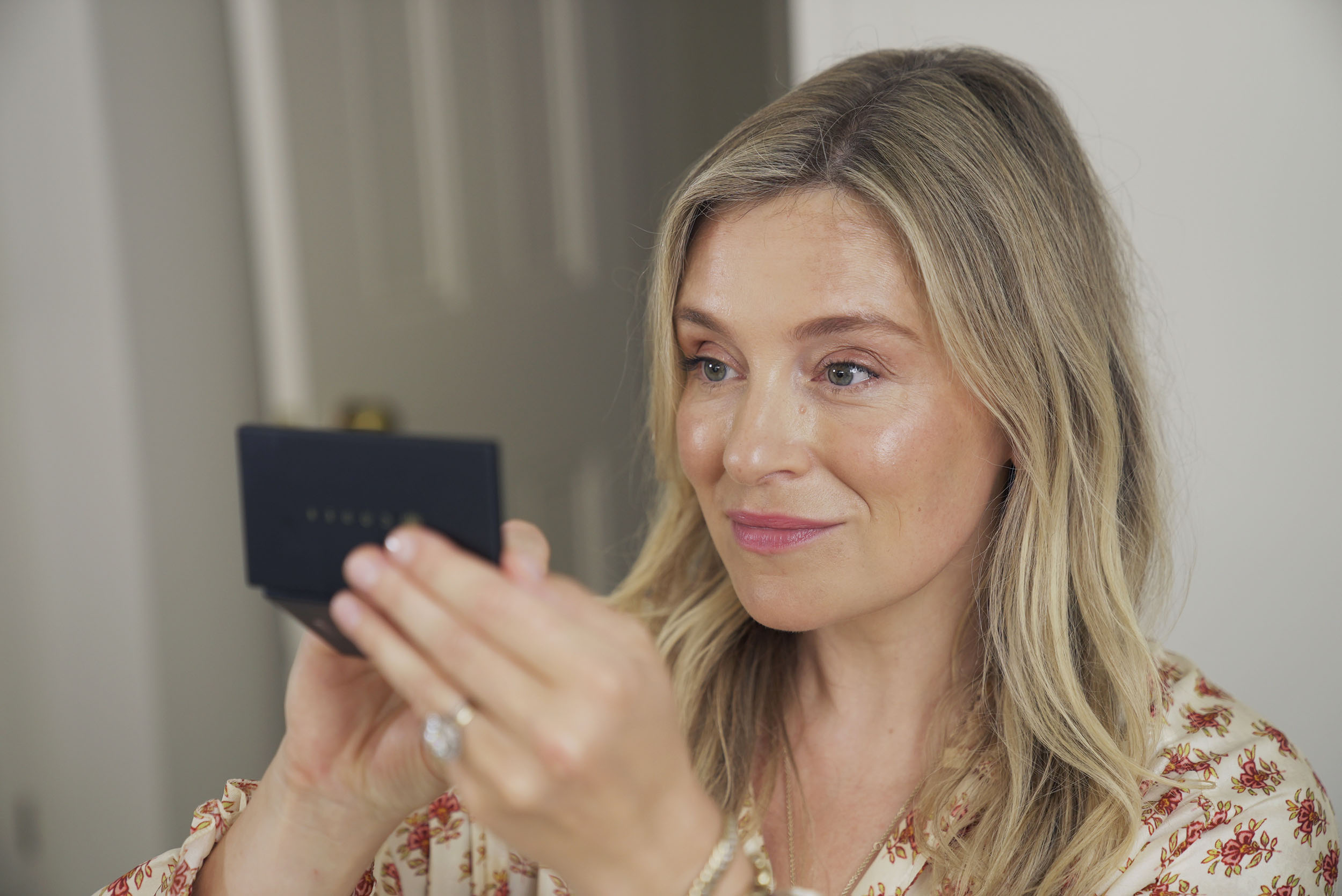 The Art of Effortlessness: Code8 Beauty Finds the Modern Woman's Cheat Code
Looking effortless needn't take hours — just great products, and that's where Code8 comes in.
-
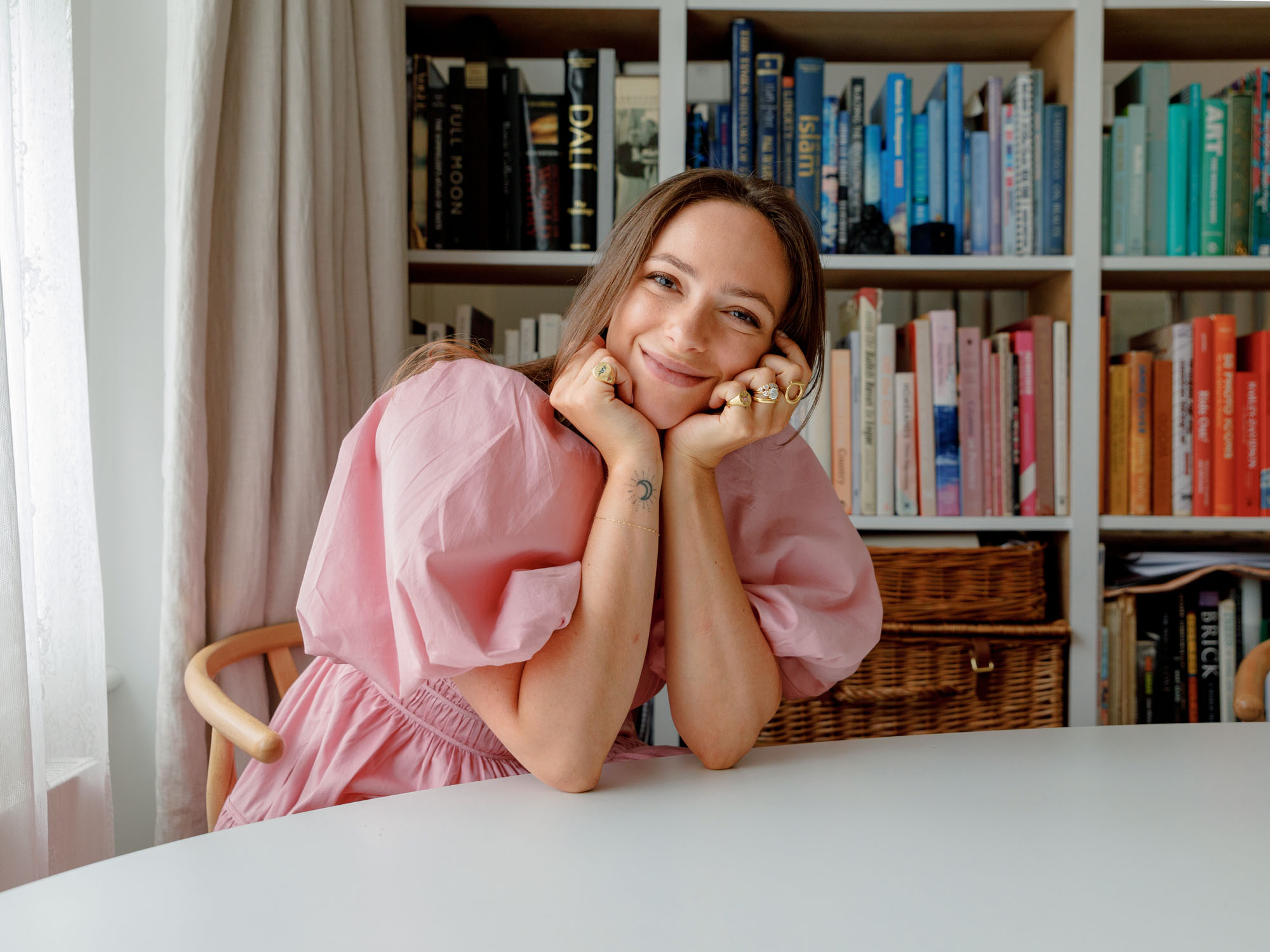 Happily-ever-after treasures created by Cece Jewellery
Cece Jewellery’s latest collection — Once Upon A Time — brings to life figures from fairytales, dreamlike settings and romantic charms.
-
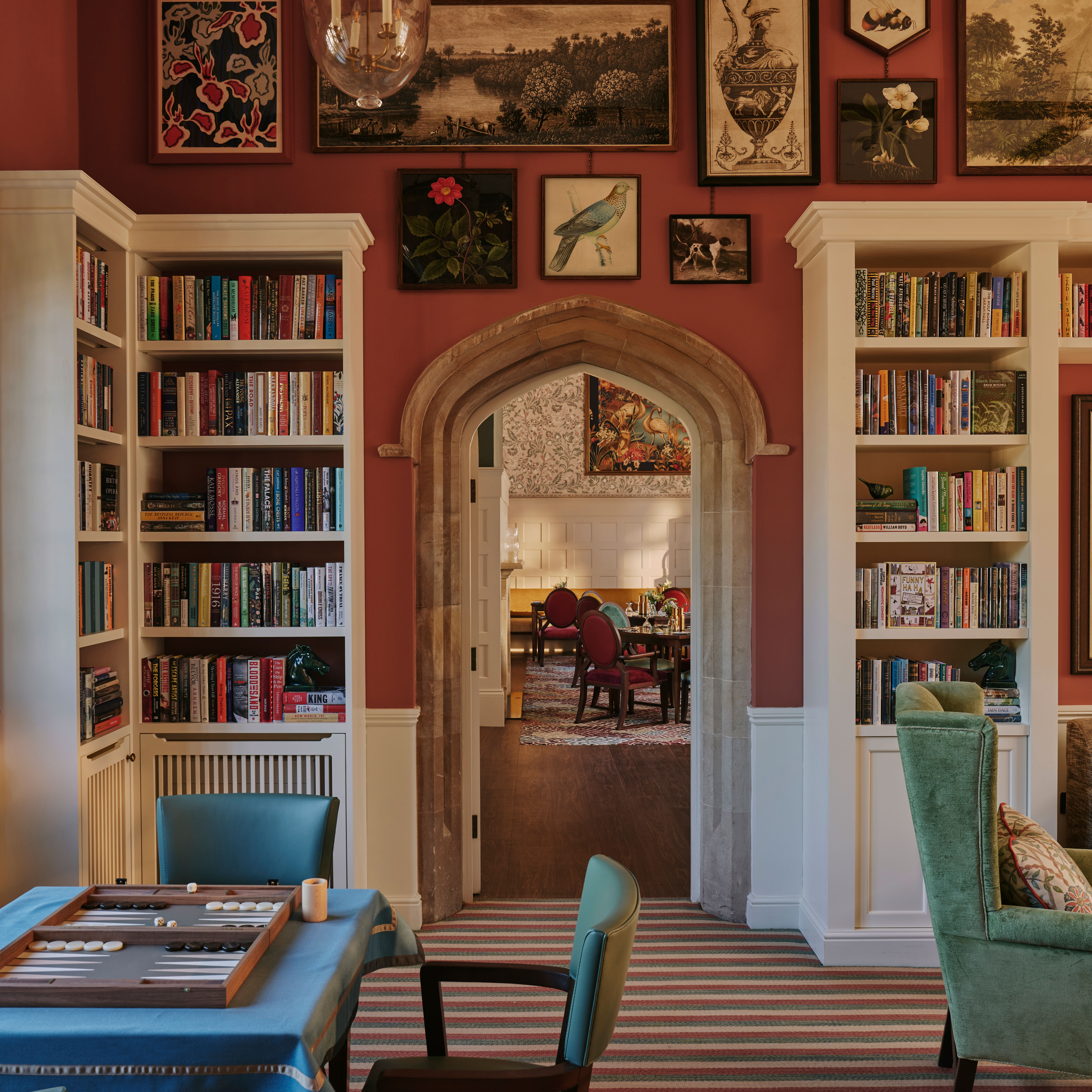 'The Art of Living Well Longer': A wellbeing event at KYN Hurlingham
Consider this your invitation to discover a quietly revolutionary approach to later life.
-
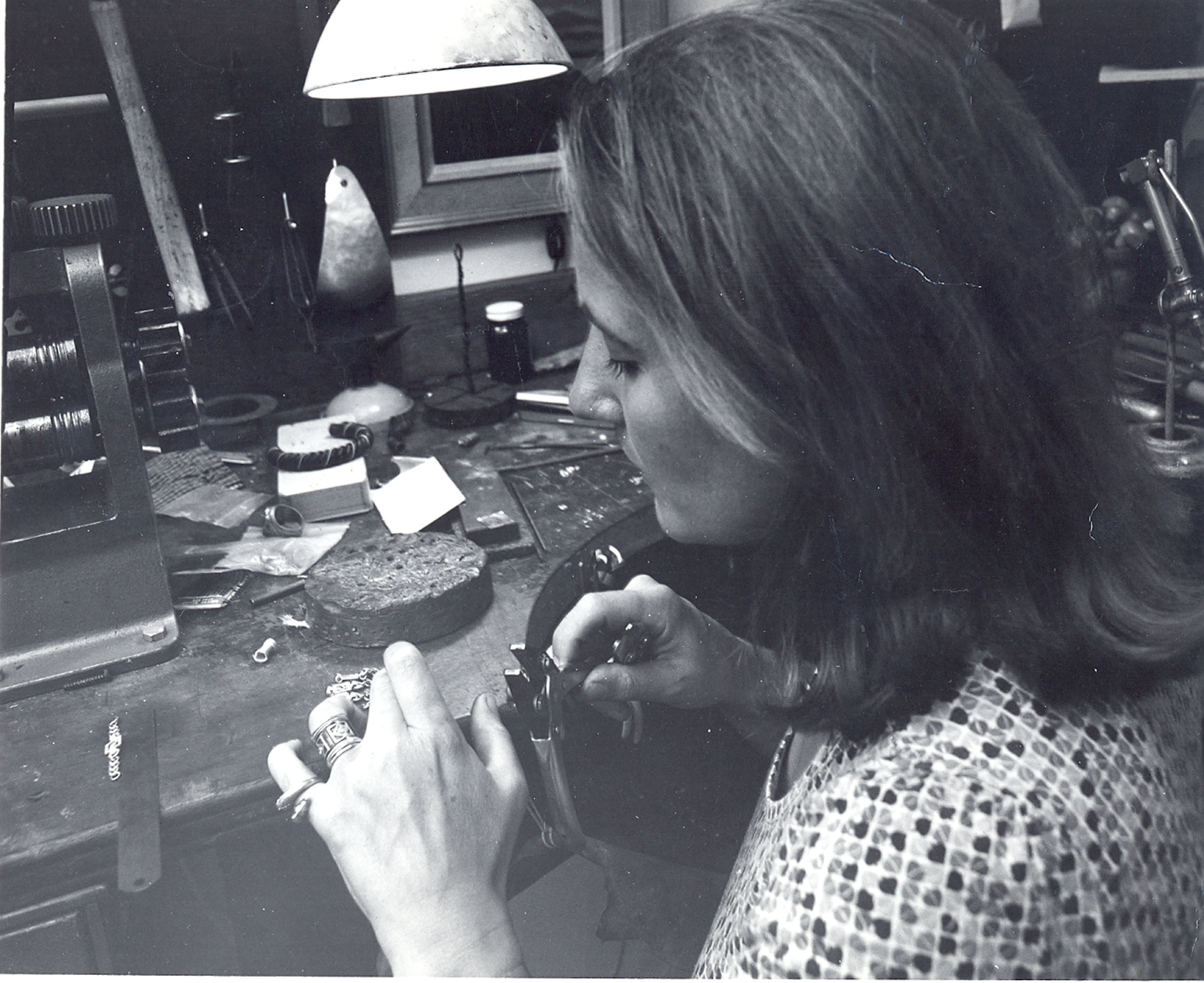 Reader event: A rare glimpse into the world of Elizabeth Gage
The iconic jeweller Elizabeth Gage is opening up her workshop to a small group of Country Life readers in an intimate event on Wednesday, May 13.
-
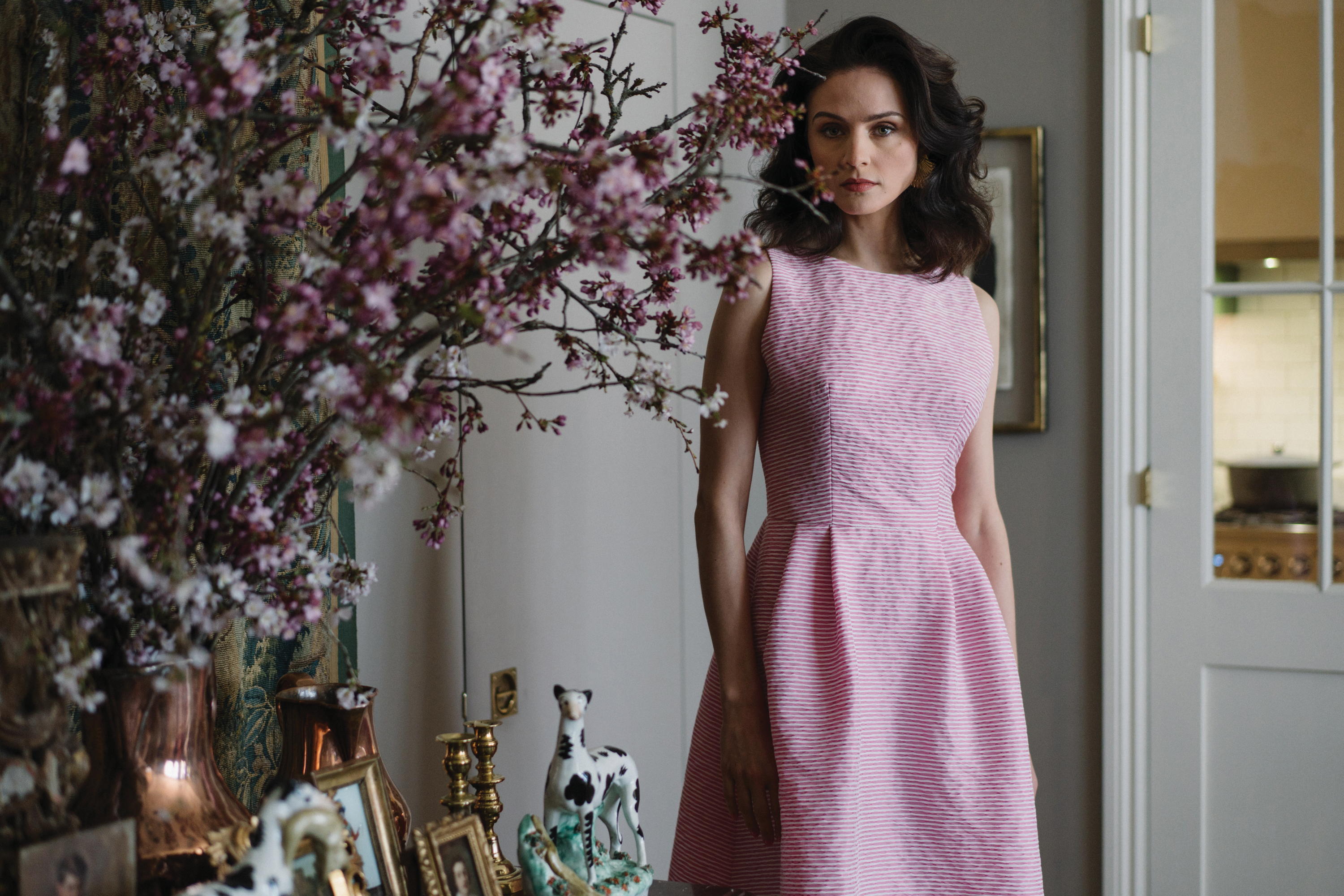 Couture’s best-kept secret
Based in the heart of London’s Belgravia, Stewart Parvin’s timeless womenswear guarantees the wearer will make an impression, whatever the social occasion.
-
 Jewels of the Mediterranean: Luxury multi-generational villa holidays
The Thinking Traveller have some of the finest villas in the Mediterranean on their books for multi-generational holidays. Here are just a few of the highlights.
-
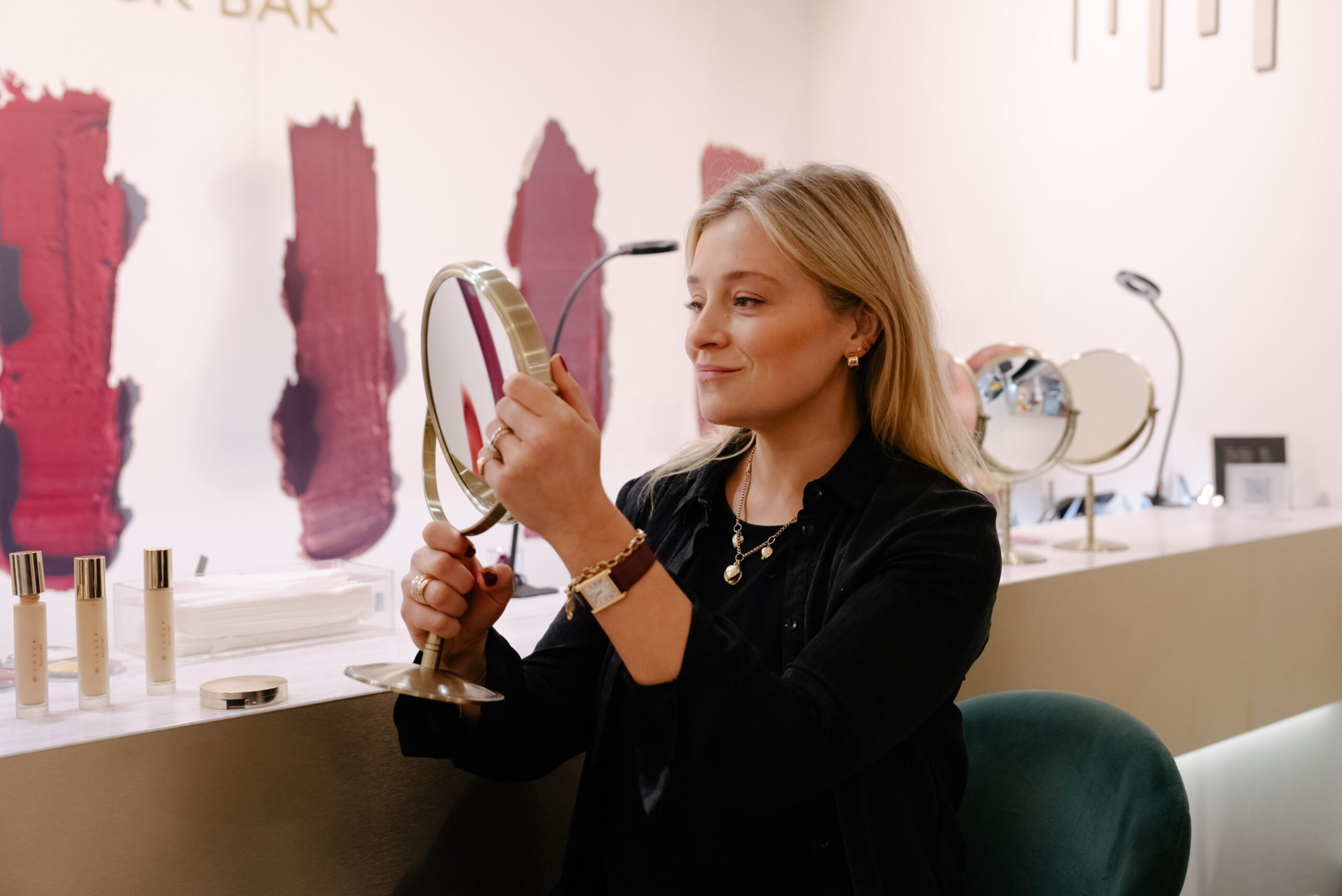 Code8: Beauty on Burlington Arcade
Come along Burlington Arcade with Hetty Lintell to visit beauty gurus Code8, and try their new Day To Night Foundation.
-
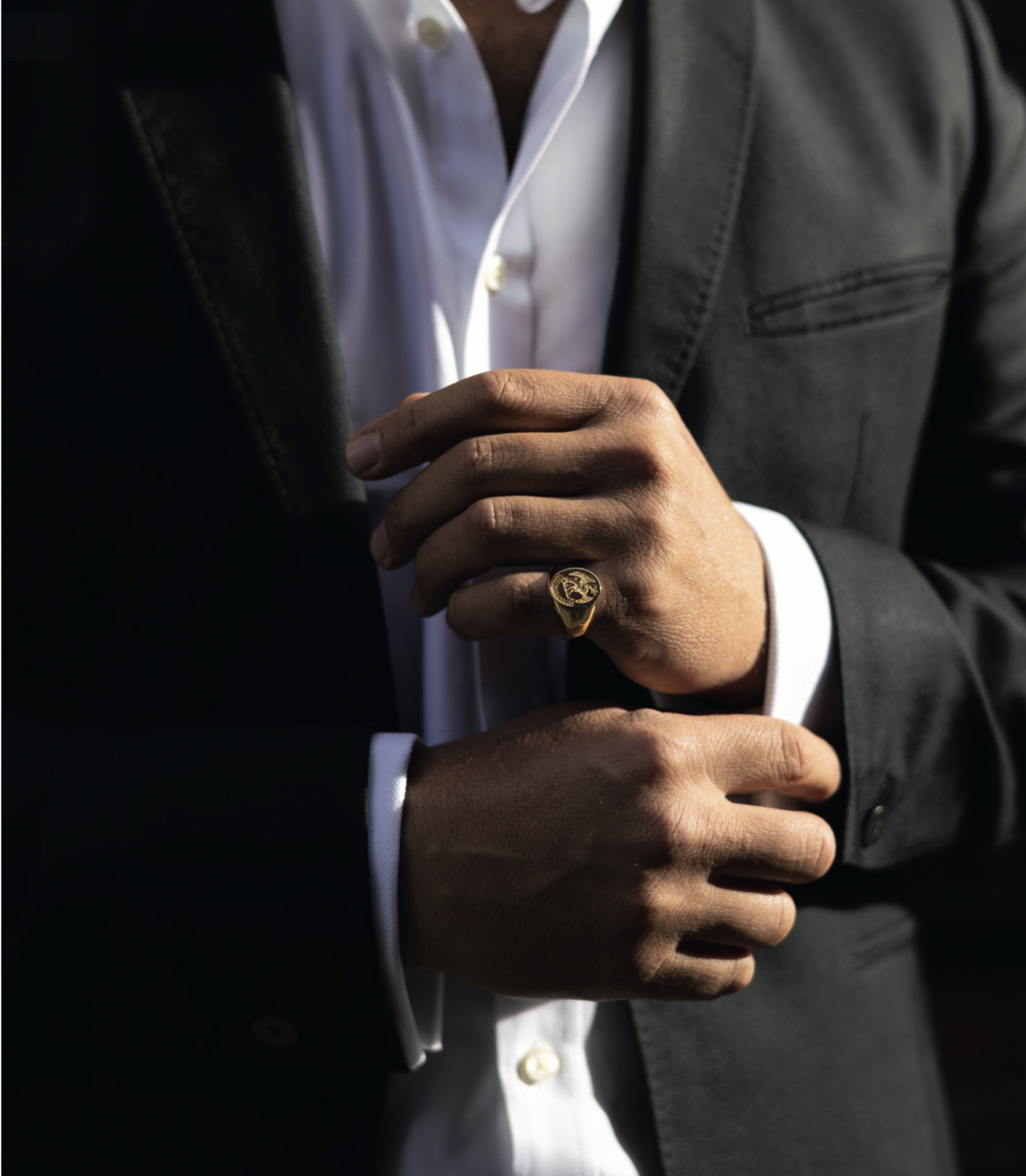 Diamonds are a man’s best friend
Male interest in jewellery is on the rise, with gypsy and signet rings proving especially popular, according to renowned jeweller Hancocks.


