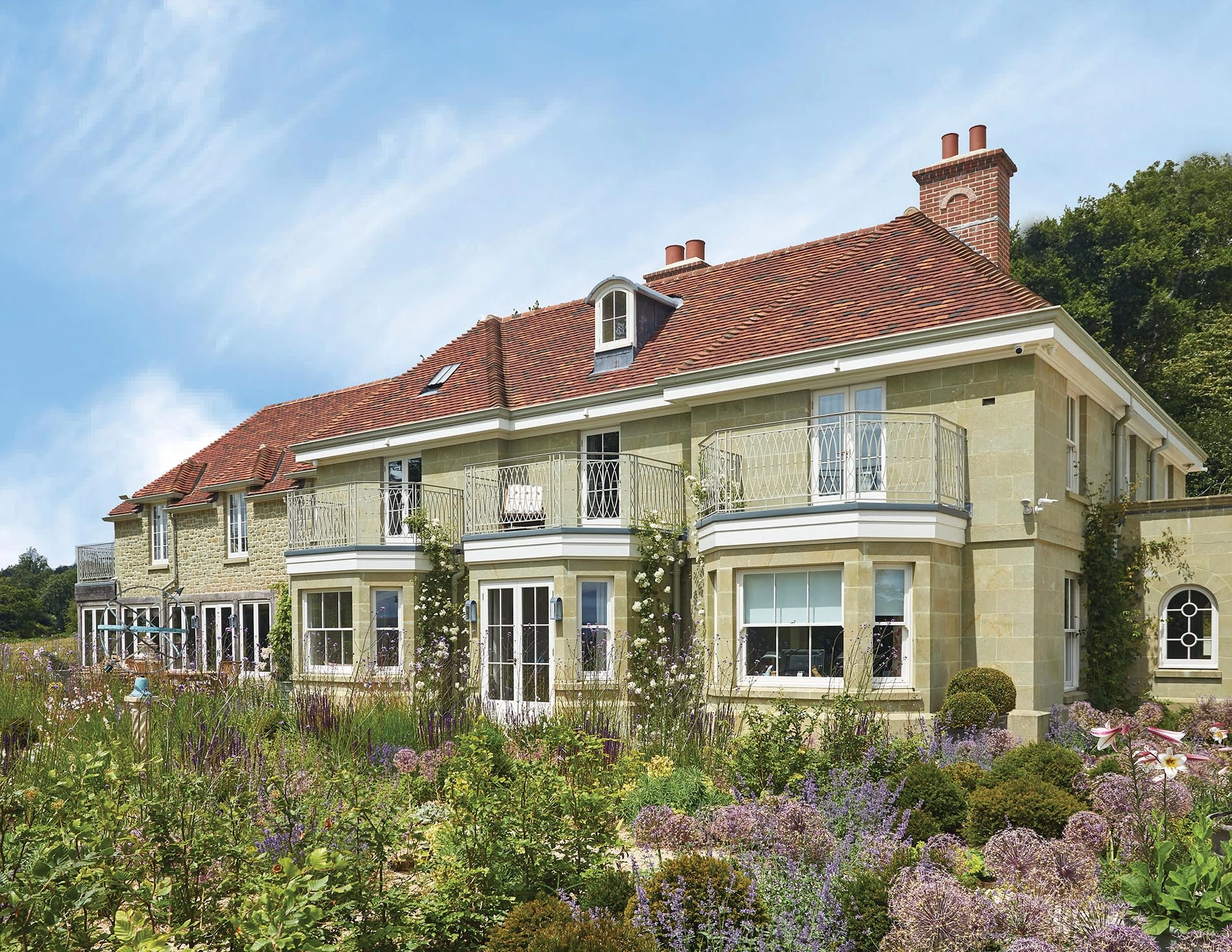

Since 1798, R. Moulding & Co has been employing traditional craftsmanship and materials to create some of Britain’s most beautiful houses. For the past six years, the company has been included in Country Life’s Top 100 list of Britain’s best craftspeople.
Why do materials play such a vital role in a sensitive restoration?
Every successful project is a balancing act between aesthetics, heritage and the demands of 21st-century living. Both new and reclaimed materials have a role to play in any project. It’s essential that materials are sympathetic to the original construction of a building, respecting both its period and the vernacular style. A new stone floor, for example, should use a local material, not a cheaper, less appropriate alternative from beyond our shores. Not only does this minimise the carbon footprint, it will also complement the look and feel of building.
However, this isn’t only an aesthetic and environmental consideration; in old buildings, the use of correct materials plays an important role in the management of damp.

Where possible, is it always better to use reclaimed materials than new?
When used appropriately, reclaimed materials will create the immediate impression of age and offer the additional benefit of employing something that would otherwise be destined for landfill. However, great care is required; reclaimed materials are expensive and are usually purchased ‘as-seen’ (although many good reclamation specialists should replace any defective materials). Inevitably, reclaimed materials have a high risk of performance failure, particularly if required to provide a weathering function in an exposed location, notably on a roof. This will also raise the question of who will be liable for the cost of replacing faulty materials. Reclaimed bricks are likely to come from multiple sources, creating additional problems when they are laid.
The builder will also be required to identify good and bad bricks, a process that involves extra time. Those rejected will cost money to remove. Reclaimed paving, cladding, decking and radiators can present their own problems. Using new and old materials of appropriate quality and employing the right standard of workmanship will provide longevity and, ultimately, will weather nicely to achieve the right patina.

What is the role of modern materials?
Materials are constantly evolving. Lime-based concrete, lime-based plasters with cork additives and modern insulation all offer benefits that complement old buildings. However, it is important that they are used sensitively. High-performance insulation, such as discreet and sensitively installed draught stripping, improves the thermal performance of the building.
Some materials offer the best of both worlds: for example, Accoya, a sustainably sourced, engineered softwood, is impregnated with eco-friendly preservative that creates stable and long-lasting timber with advantages over hardwoods. Engineered timber floors are available in a wide range of options and are far more stable than solid timber. Another versatile material is plasterboard, which comes at a fraction of the cost of lath and plaster and at far less risk of collapse.
However, breathability and compatibility are also important factors and some historic walls need to remain with inherent moisture. Cavity-drain membranes create a dry internal surface, allowing the original integrity of the wall to remain in natural equilibrium. Galvanised skim beads protect the edge, but create a slightly contrived sharpness that is not appropriate in historic buildings. Often, the right decision requires traditional and modern materials to be balanced: for example, when it comes to damp management, the traditional approach is to allow a wall to breathe; however, this is less appropriate to walls with a high level of dampness, particularly if a client is planning to hang artwork and heat the space.
Flue liners will reduce fire risk and help thermal efficiency and underground plastic drainage offers significant benefits, but it’s important to ensure that any exposed fittings, such as gullies, are in traditional terracotta fired clay with metal gratings.

What, for you, is the attraction of stone?
Working with natural stone is always such a privilege. The South-West, where Mouldings has been based for more than two centuries, provides a wide variety stone, each with its own distinctive qualities: honey-coloured Bath and Cotswold stone in the north, the soft greensands of Dorset, the rich amber Hamstone of Somerset and the pale limestones from the Purbeck Hills, the Portland peninsula and the West Wiltshire Downs. The depth and breadth of styles in which stone is fashioned is exciting, too, ranging from the classical formality of tightly jointed and flat-faced ashlar to the informal and rustic rubble stone and flint work of the Wiltshire Downs. Maximising their potential requires skill, knowledge and understanding.

How do clients choose materials?
There’s an almost infinite variety of available materials and, understandably, our clients sometimes find it overwhelmingly difficult to make a decision. It is also very hard for clients to choose materials until they can see a physical example that is not only in its raw form, but is actually constructed in a sample panel that displays all the jointing and pointing. The answer is to be found in an exemplar, which is an essential tool that helps clients with their decision making.
What part does craftsmanship play?
Traditional methods of workmanship are extremely important when employing high-quality materials and require a deep knowledge base. Each and every material calls for a particular method of installation and application. The techniques are as endless as the materials themselves — for instance, the use of the appropriate mortar to create the right colour and texture of a joint. Knowledgeable craftspeople will also be able to determine the best approach for fine detail, such as slot-headed screws, rather than inappropriate cross-head ones, and will be aware of the importance of brush-applied paint finishes, rather than rollers or sprayers. The list of appropriate and inappropriate choices is vast, but making the right call will reap huge benefits.
Please telephone 01722 742228 or visit www.mouldingthebuilder.co.uk

-
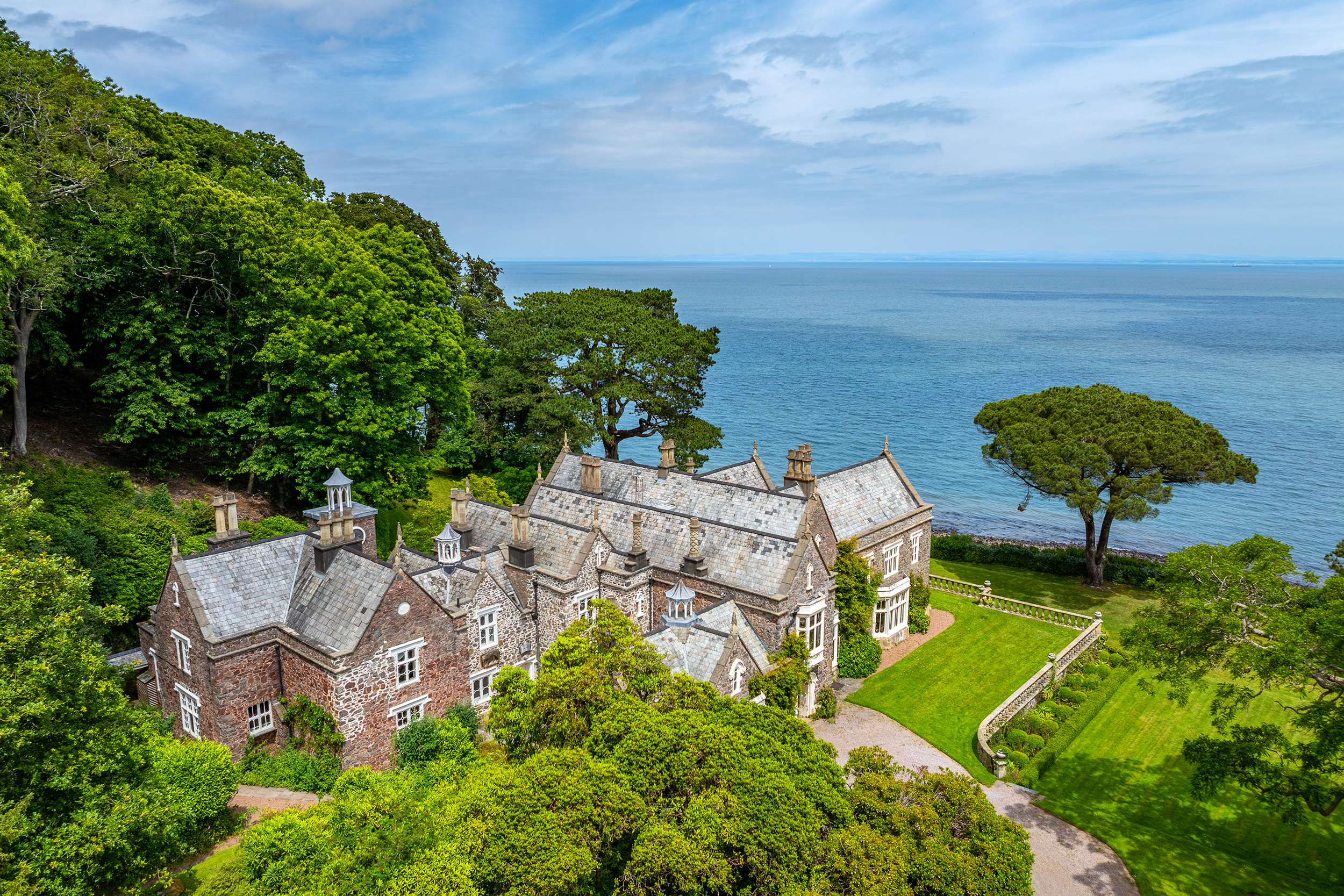 The epic country house in 'the most beautiful spot on Earth' is for sale for the third time in 200 years
A three-mile driveway leads to Glenthorne House, a magnificent manor that feels like it's clinging to the edge of the world. Penny Churchill tells its story.
-
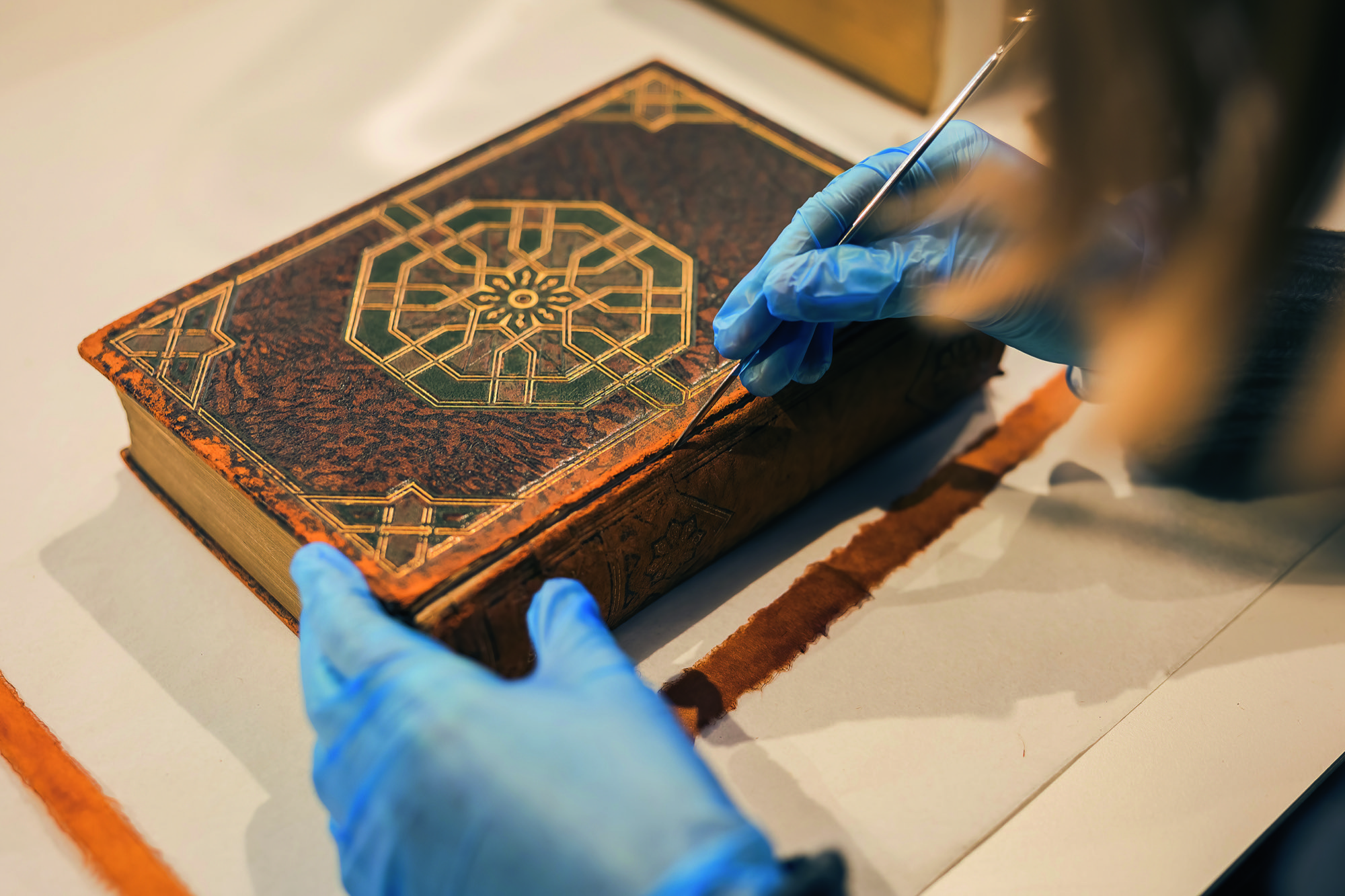 'People often expect a perfect repair, but we are not about that': The experts taking care of leather
Whether it’s a football used in the First World War or the seats of an early electric taxi, the Leather Conservation Centre in Leicester helps conserve historic objects, as Corinne Julius reveals


-
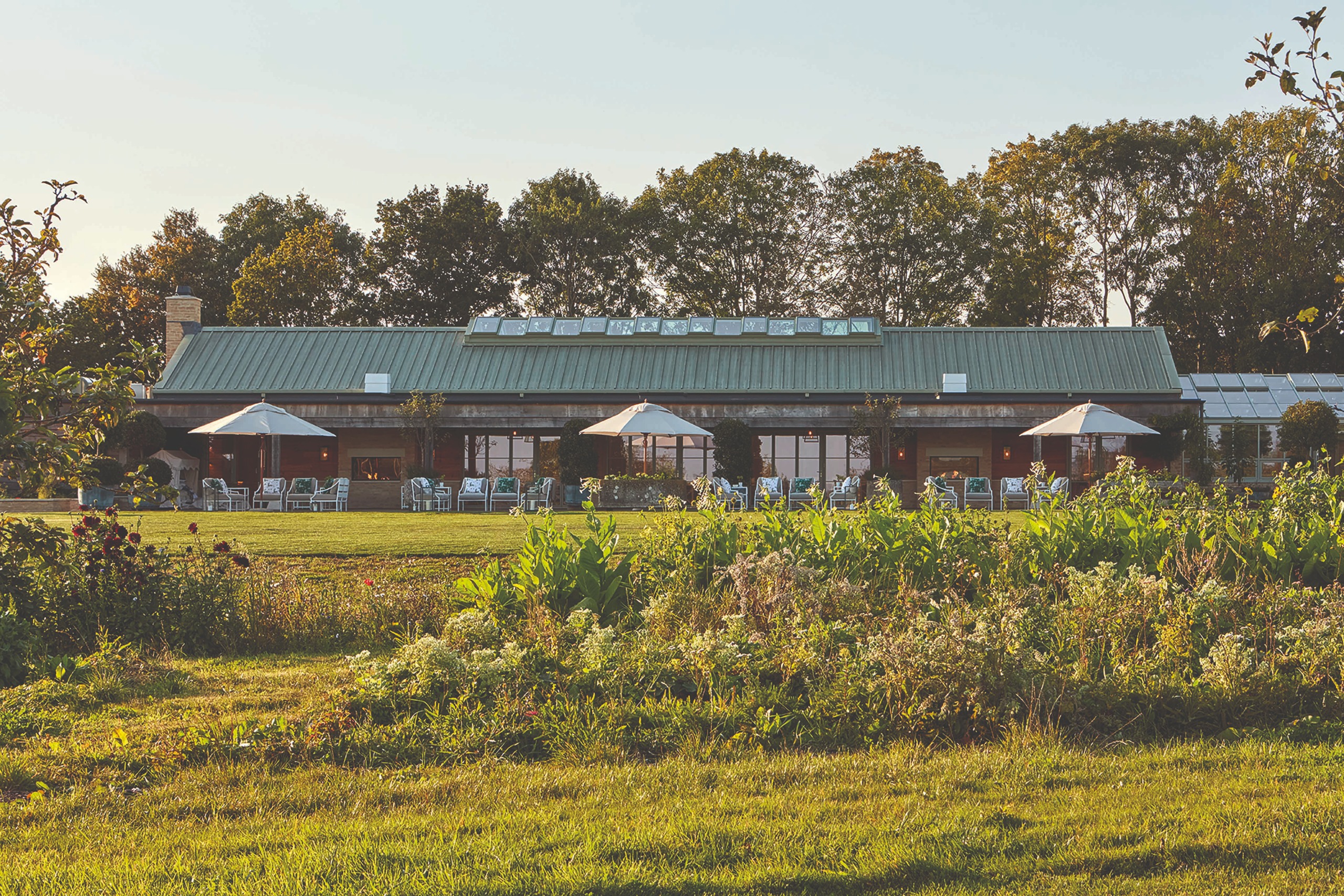 Reader event: Reinventing the country house at Daylesford
Next month, leading experts in architecture, interior design, stonework and cabinetry will share the secret of creating a country house suited to life in the 21st century at Daylesford’s Heritage Barn.
-
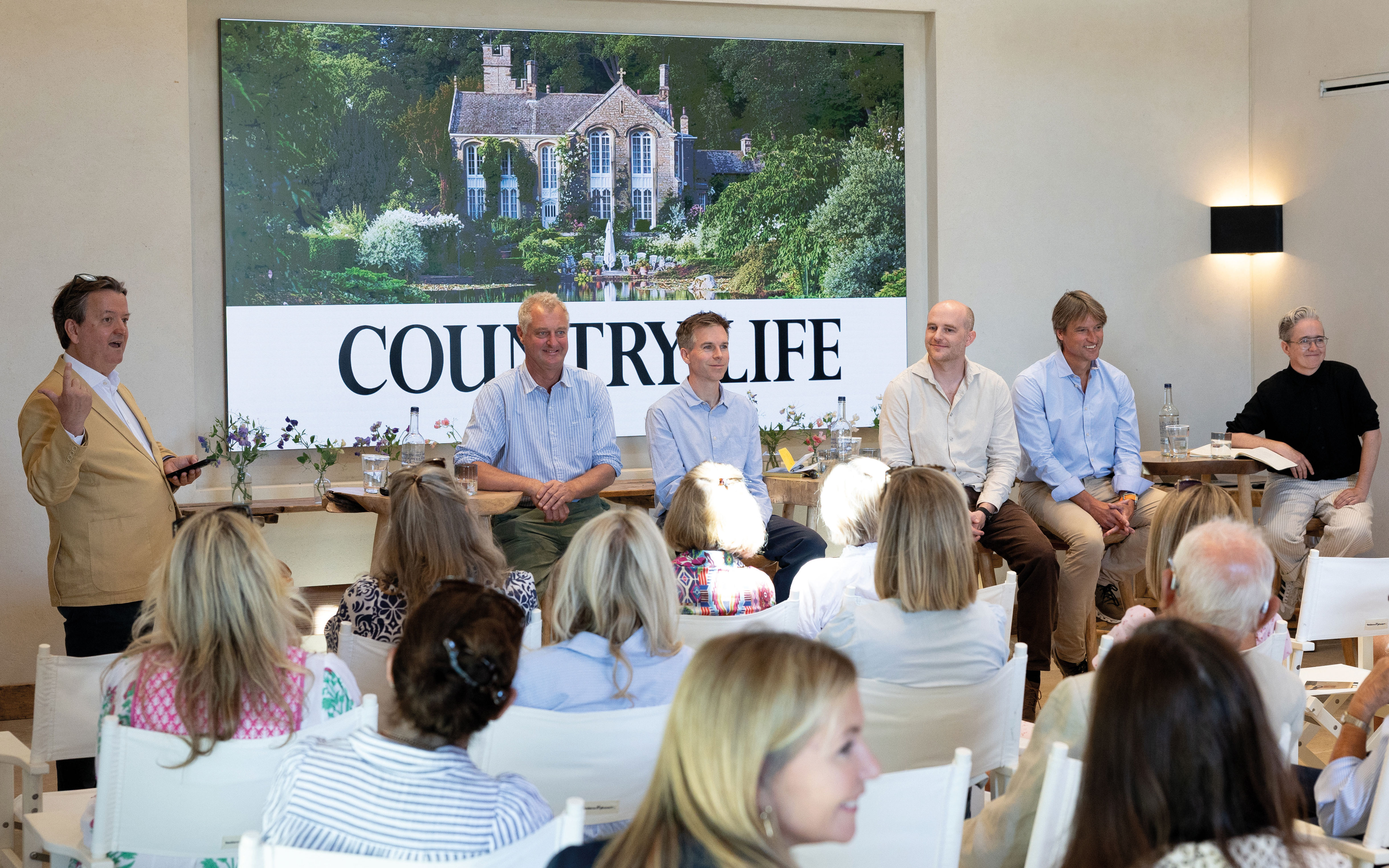 The art of the country garden at Daylesford
On July 2 this year, five experts shared their thoughts on the secret of creating the perfect rural sanctuary.
-
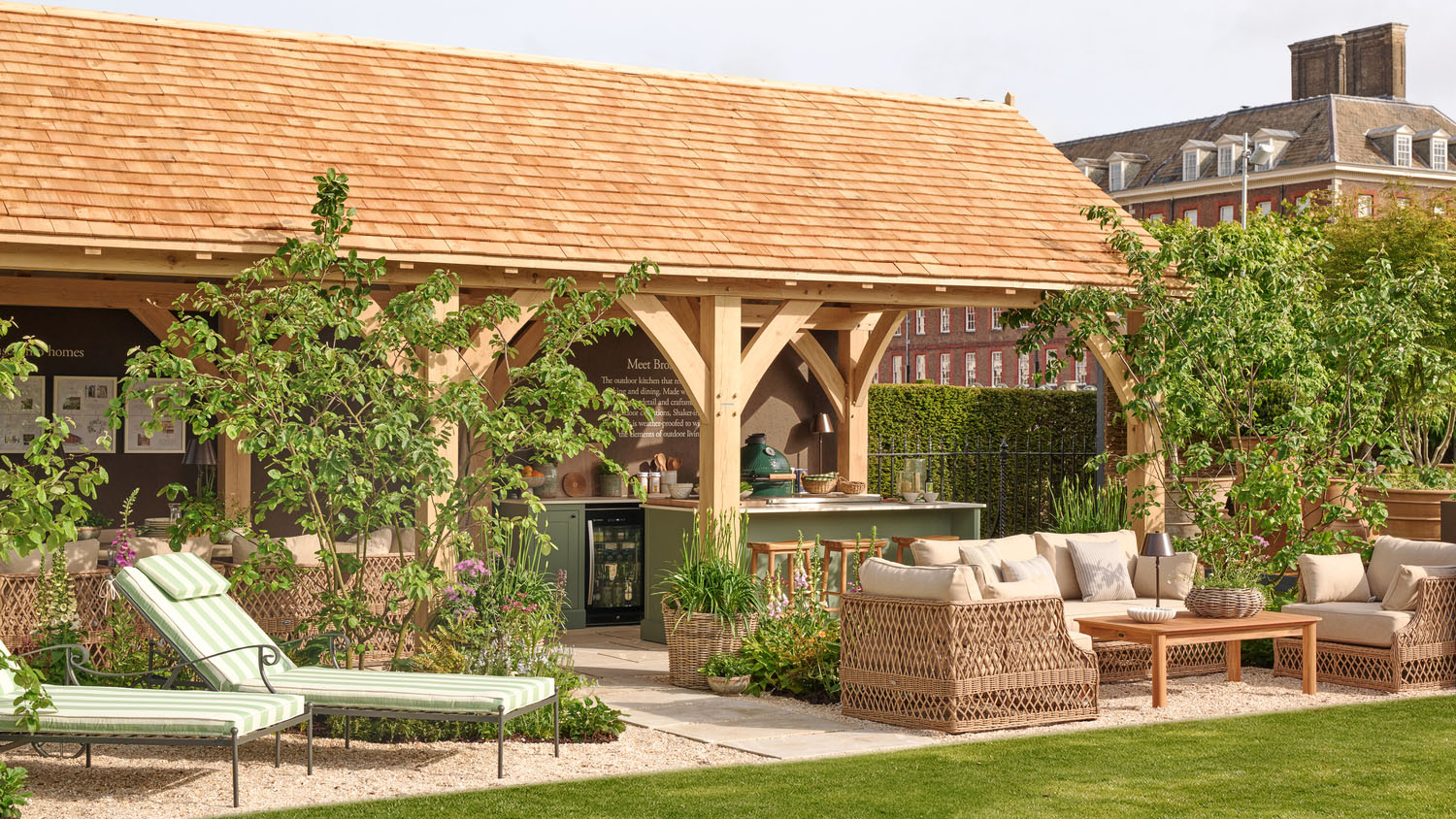 Rooms with a view: The new Oakwrights garden pavilion collection
A new collection of garden pavilions from Oakwrights offers hand-crafted structures designed for those who want to spend more time in their own great outdoors.
-
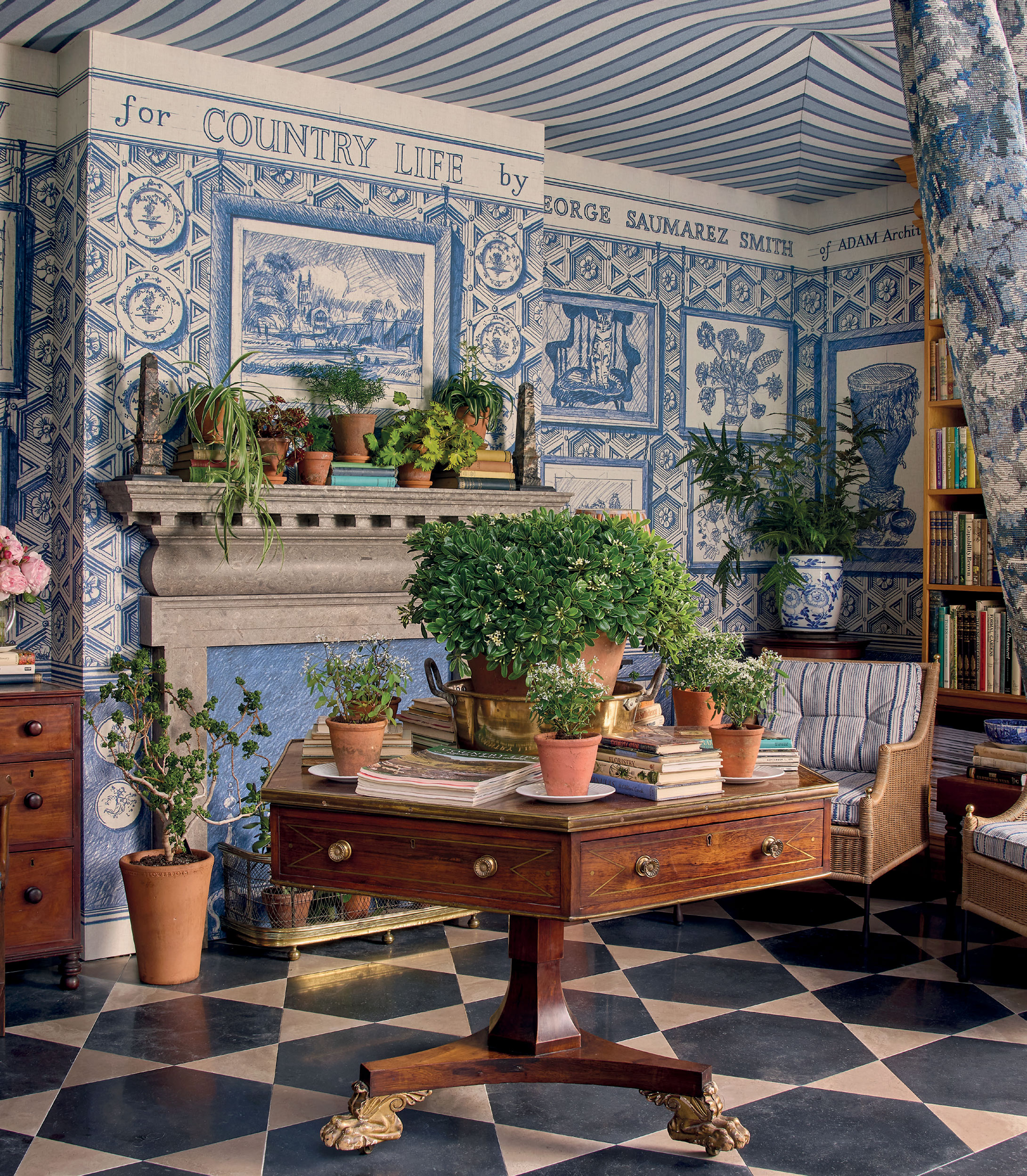 Homegrown heroes: The British stone from Artorius Faber which transformed Country Life's RHS Chelsea Flower Show stand
George Saumarez Smith’s design for the floor of Country Life's stand at the RHS Chelsea Flower Show has been brought to life by Artorius Faber.
-
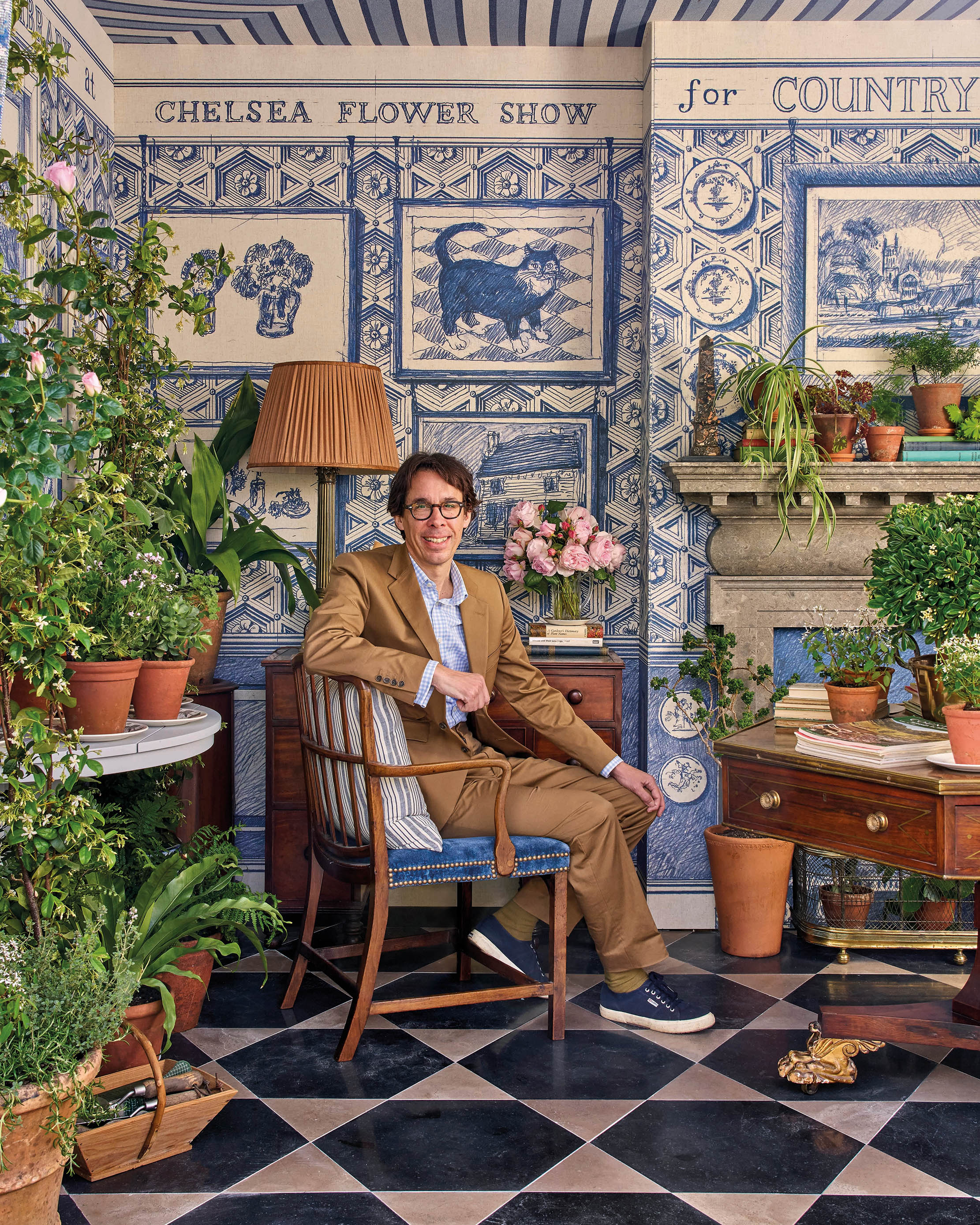 Star of the show: How George Saumarez Smith's design for Country Life wowed visitors at the Chelsea Flower Show
The Garden Lover’s Library, created by George Saumarez Smith for Country Life, dazzled visitors at this year’s RHS Chelsea Flower Show.
-
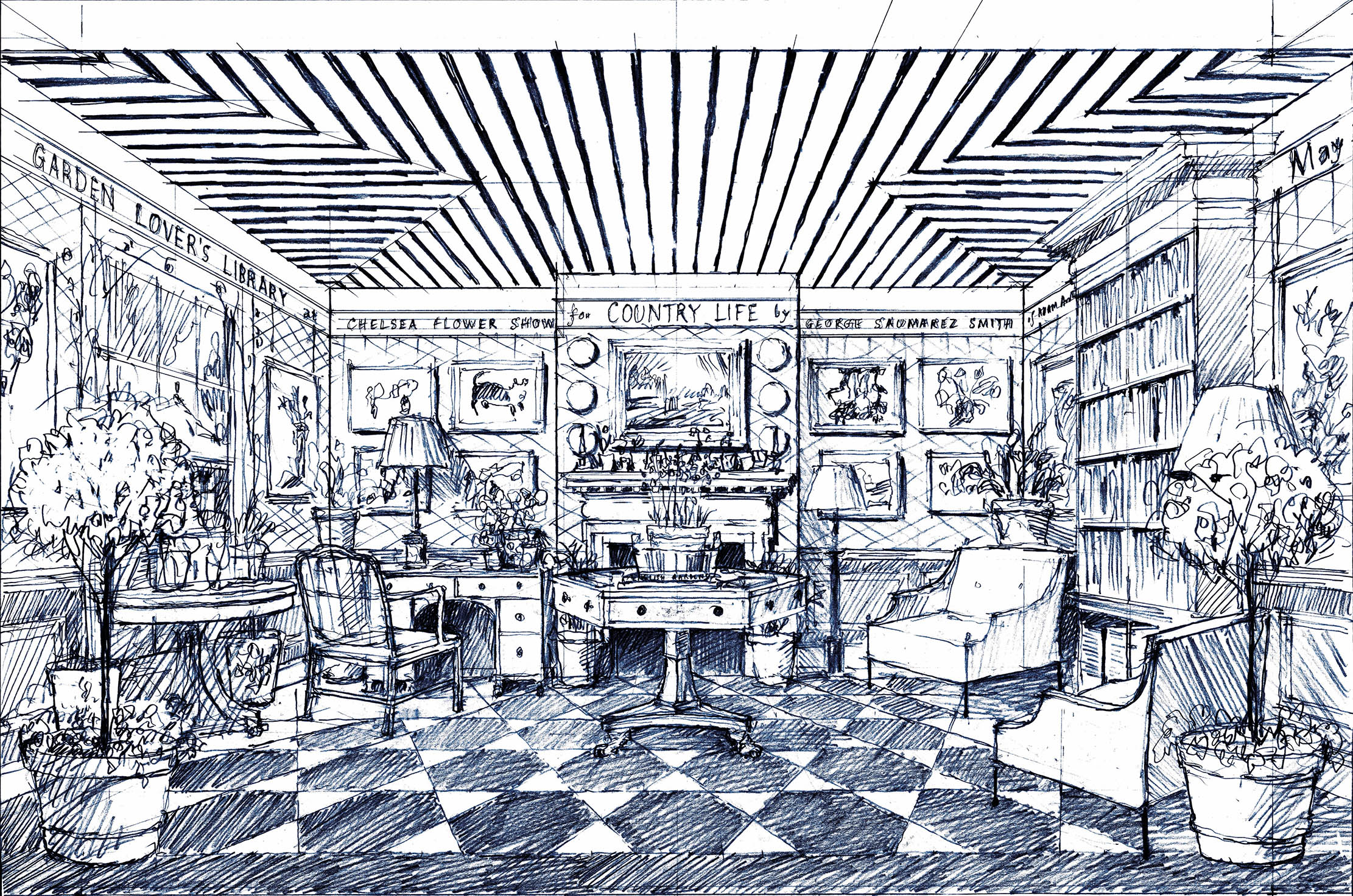 Inspired by the past: How Munder Skiles blended old and new for Country Life's stand at the Chelsea Flower Show
On Country Life's stand at the RHS Chelsea Flower Show, two striking designs by Munder Skiles demonstrated the exciting possibilities of combining inspiration from the past, artisanal skills, high-quality materials and cutting-edge engineering to create furniture suited to inside and out.
-
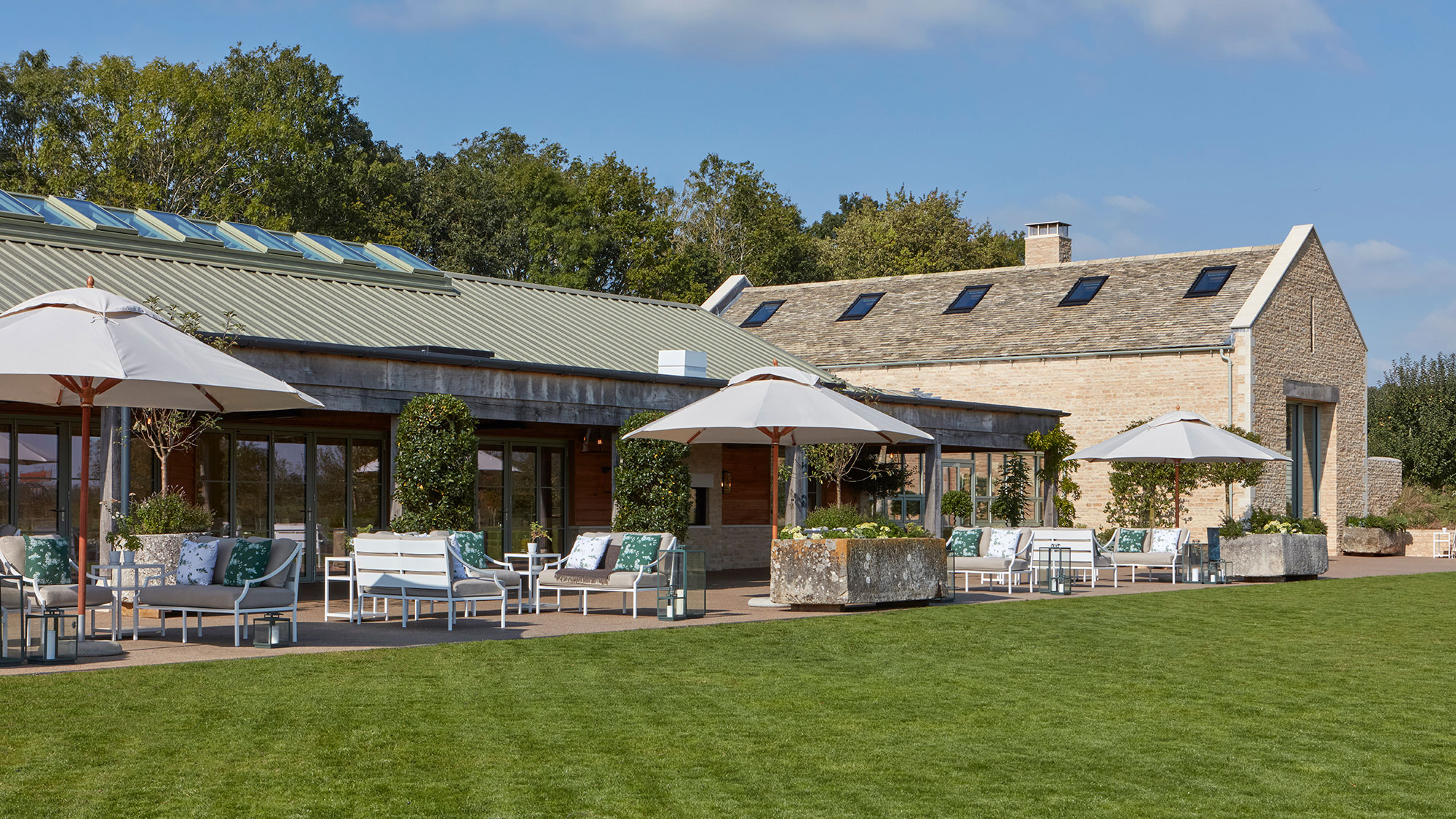 Reader event: The art of the country house garden at Daylesford
What are the ingredients of the perfect country garden in the 21st century? At this Country Life event, five leading experts will share their wisdom on achieving pleasing good looks, creating comfortable spaces for relaxation, manageable maintenance and how to make a garden your own.
-
 Art underfoot: How Artorius Faber brought to life the stone floor of Country Life's stand at the RHS Chelsea Flower Show
George Saumarez Smith’s design for the floor of Country Life's stand at the RHS Chelsea Flower Show has been brought to life by Artorius Faber.


